
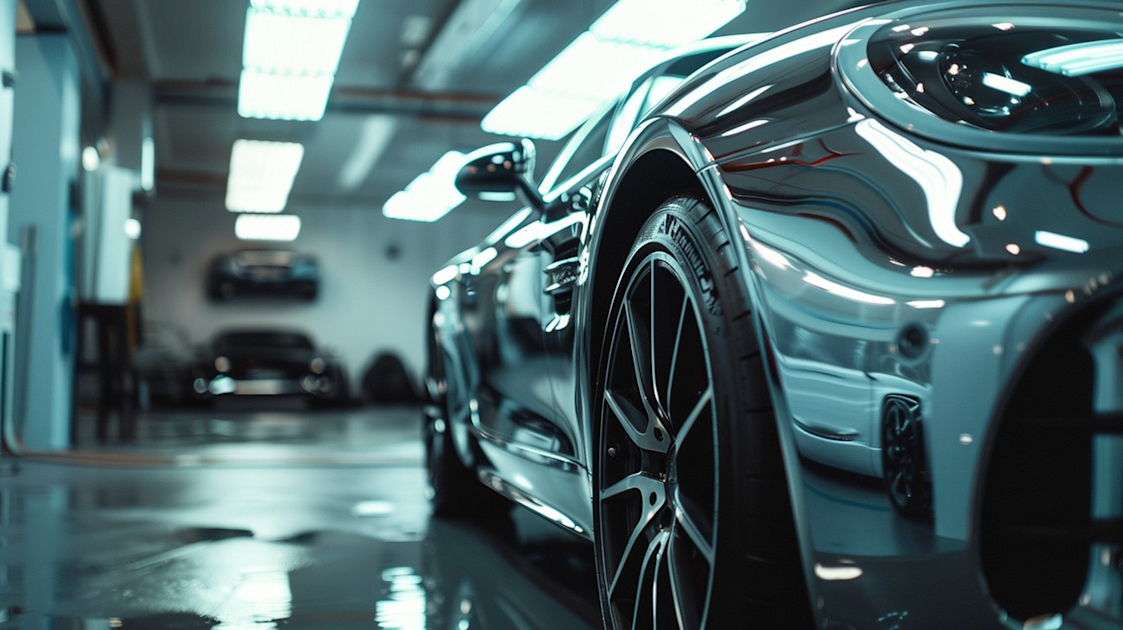


Auto enthusiasts and car owners alike are constantly on the lookout for ways to protect their vehicles and maintain their sleek appearance. One increasingly popular method is the use of auto ceramic coating. This advanced technology offers a durable layer of protection for your vehicle's paintwork, keeping it looking pristine for longer. If you're considering ceramic coating for your car, this comprehensive guide will delve deep into what it is, its benefits, application process, and much more.
What is Auto Ceramic Coating?
Auto ceramic coating, often referred to as nano-ceramic coating, is a liquid polymer applied to the exterior surfaces of a vehicle. This protective layer chemically bonds with the vehicle's factory paint, creating a long-lasting shield against various environmental hazards. Unlike traditional waxes or sealants, ceramic coatings form a semi-permanent bond with the paint, making them much more resilient to wear and tear.
Benefits of Ceramic Coating
Ceramic coating offers a multitude of benefits that set it apart from other vehicle protection methods. Here are some key advantages:
- Durability: Ceramic coatings are much more durable than traditional waxes, providing protection for several years with proper maintenance.
- UV Protection: The coating protects against harmful UV rays, preventing oxidation and fading of your car's paint.
- Hydrophobic Properties: The water-repellent nature of ceramic coating ensures that dirt and water slide off easily, simplifying the cleaning process.
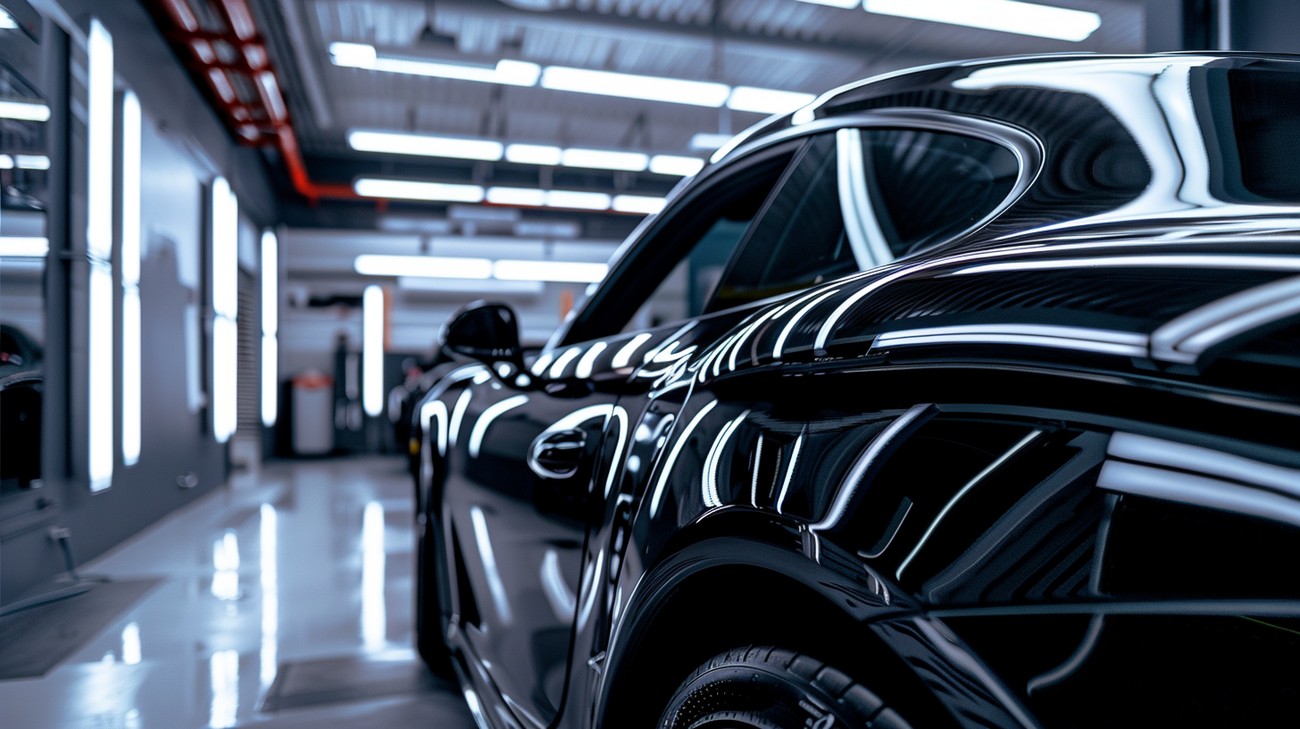
- Enhanced Gloss: Ceramic coatings enhance the gloss and depth of your car's paintwork, giving it a head-turning finish.
- Chemical Resistance: The protective layer offers resistance to chemical stains and etching caused by environmental pollutants.
How Does Ceramic Coating Work?
The science behind ceramic coating is rooted in nanotechnology. This ultra-thin layer of liquid polymers forms a nano-structure that bonds to the surface of your vehicle. The composition of ceramic coatings typically includes silicon dioxide (SiO2), which is responsible for the coating's durability and gloss. When applied, the ceramic coating becomes a protective shield that is both strong and virtually invisible.
Application Process
Applying ceramic coating to your vehicle is a meticulous process that requires attention to detail. Professional installation is often recommended to ensure optimal results, but let's break down the steps involved:
Preparation:
- Thoroughly wash and dry the car.
- Remove contaminants with a clay bar treatment.
- Polish the paint to eliminate scratches and swirl marks.
- Use an isopropyl alcohol (IPA) solution to remove any residues.
Application:
- Apply the ceramic coating using a microfiber applicator or pad.
- Spread the coating evenly in small, overlapping sections.
- Let the coating cure according to the manufacturer's instructions.
Buffing:
- Use a clean microfiber towel to buff away excess material.
- Make sure no high spots are left on the surface.
Curing:
- Allow the coating to cure for the recommended time, usually 24 to 48 hours.
- Avoid exposure to water during the curing period.
Maintenance Tips for Ceramic Coated Vehicles
Maintaining a ceramic-coated vehicle is relatively simple, but it requires some specific practices to sustain the coating's performance:
- Regular Washing: Use a pH-neutral shampoo and a microfiber wash mitt to clean the car.
- Avoid Harsh Chemicals: Keep away from abrasive cleaners and automatic car washes that can degrade the coating.
- Use a Detailing Spray: Apply a ceramic-friendly quick detailer spray to enhance the coating's shine and hydrophobic properties between washes.
Comparing Ceramic Coating to Other Protection Methods
When considering paint protection options, it's essential to compare ceramic coating with alternatives like wax and sealants.
- Durability: Ceramic coatings offer years of protection compared to the weeks or months provided by waxes and sealants.
- Maintenance: Due to their hydrophobic properties, ceramic coatings make maintenance and cleaning a breeze.
- Aesthetic Appeal: Provide a deeper and more profound shine over traditional waxes.
Myths and Misconceptions
Despite its benefits, several myths surround ceramic coating that often lead to misunderstandings. Let's address some of these:
Myth: Ceramic Coating Makes the Car Scratch-Proof
- Reality: While ceramic coatings are scratch-resistant, they are not scratch-proof. They provide a level of protection against minor abrasions but do not render the surface impervious to damage.
Myth: Ceramic Coating Is a One-Time Process
- Reality: Although long-lasting, ceramic coatings require periodic maintenance and reapplication to maintain their efficacy over time.
Choosing the Right Ceramic Coating
Selecting the appropriate ceramic coating product for your car can be overwhelming due to the plethora of options available. Consider these factors:
- Brand Reputation: Opt for established brands known for their quality and customer satisfaction.
- Product Composition: Check the percentage of SiO2 in the formulation, as a higher content usually indicates better protection.
- Professional vs. DIY Kits: Decide whether to have a professional apply the coating or purchase a DIY kit, taking into account your skills and comfort level.
FAQ on Auto Ceramic Coating
How does auto ceramic coating work?
Auto ceramic coating works by applying a liquid polymer to the exterior of a vehicle, which chemically bonds with the factory paint. This bond creates a protective layer that enhances the vehicle’s resistance to elements like dirt, water, and UV rays. Unlike traditional wax or sealants that sit on top of the paint, the ceramic coating forms a chemical bond, offering more durability and longevity.
Can auto ceramic coating be applied to any type of vehicle?
Yes, auto ceramic coating can be applied to almost any vehicle type, whether it has a glossy, matte, or vinyl-wrapped finish. However, it's essential to ensure that the surface is thoroughly cleaned and prepped to allow the coating to adhere properly. Professional applicators can tailor the process to the specific needs of different surfaces to ensure optimal bonding and performance.
How long does auto ceramic coating last on a vehicle?
The lifespan of an auto ceramic coating depends on several factors including the quality of the coating product used, the preparation of the surface before application, and environmental conditions. Generally, a high-quality ceramic coating can last anywhere from two to five years or even longer with proper maintenance and care. Regular washing and avoidance of harsh chemicals will extend the coating's effectiveness.
Is it necessary to maintain auto ceramic coating?
Despite its durability, auto ceramic coating requires regular maintenance to uphold its protective properties and shine. This includes routine washing with pH-neutral shampoos, avoiding automatic car washes with harsh brushes, and potentially annual check-ups or touch-ups to address any wear or deficiencies. Proper maintenance ensures that the ceramic layer continues to protect and shine optimally over time.
Does auto ceramic coating protect against scratches?
Auto ceramic coating offers a significant level of scratch resistance, but it is not entirely scratch-proof. The coating adds a hard layer that can resist minor scratches and swirl marks caused by improper washing techniques. However, deep scratches or harsh impacts can still penetrate the coating and affect the underlying paint.
How does auto ceramic coating differ from traditional waxing?
Auto ceramic coating and traditional waxing serve different purposes and offer different benefits. While wax provides a glossy finish and some protection against elements, it is a temporary solution that requires frequent reapplication. Ceramic coating, on the other hand, forms a permanent or semi-permanent bond with the vehicle’s paint, offering long-term protection and requiring less frequent reapplication.
Can I apply auto ceramic coating myself?
While auto ceramic coating can be applied by DIY enthusiasts, achieving the best results often requires professional expertise. Professional applicators have access to higher-grade products and possess the skills necessary to prepare the vehicle surface properly, ensuring that the coating bonds effectively. For those new to ceramic coatings, a professional application can guarantee a higher-quality finish and longer-lasting results.
What factors affect the cost of auto ceramic coating?
Several factors influence the cost of applying an auto ceramic coating to your vehicle. These include the size and type of the vehicle, the condition of the paint surface, the quality and brand of the ceramic product used, and the professional service chosen. Additional costs may arise from necessary paint correction or surface preparation techniques to ensure optimal coating performance.
Are there environmental benefits to using auto ceramic coating?
Yes, there are several environmental benefits to using auto ceramic coating. By providing a barrier against contaminants, ceramic coating reduces the need for frequent washing and the use of harsh chemical cleaners. This not only conserves water but also minimizes the amount of chemical runoff entering the environment. Furthermore, a well-maintained coating can extend the lifespan of the vehicle’s paint, potentially reducing the frequency of repainting.
How does auto ceramic coating affect the aesthetic appearance of a vehicle?
Auto ceramic coating enhances the aesthetic appearance of a vehicle by providing a glossy, sleek finish that highlights the color depth and clarity of the paint. The coating repels water and dirt, helping the car maintain a clean and polished look longer between washes. This hydrophobic effect keeps the vehicle looking newer and more vibrant, adding to its visual appeal.
The Lowdown on Auto Ceramic Coating
Pros
Enhanced Durability
Ceramic coatings create a robust protective layer over your car's paintwork. This essentially means your car can brave the elements—rain, mud, and those pesky UV rays—without showing signs of premature wear. It's like your car is wearing an invisible armor that fends off minor scratches and oxidation, keeping it resilient over time.
Long-Lasting Shine
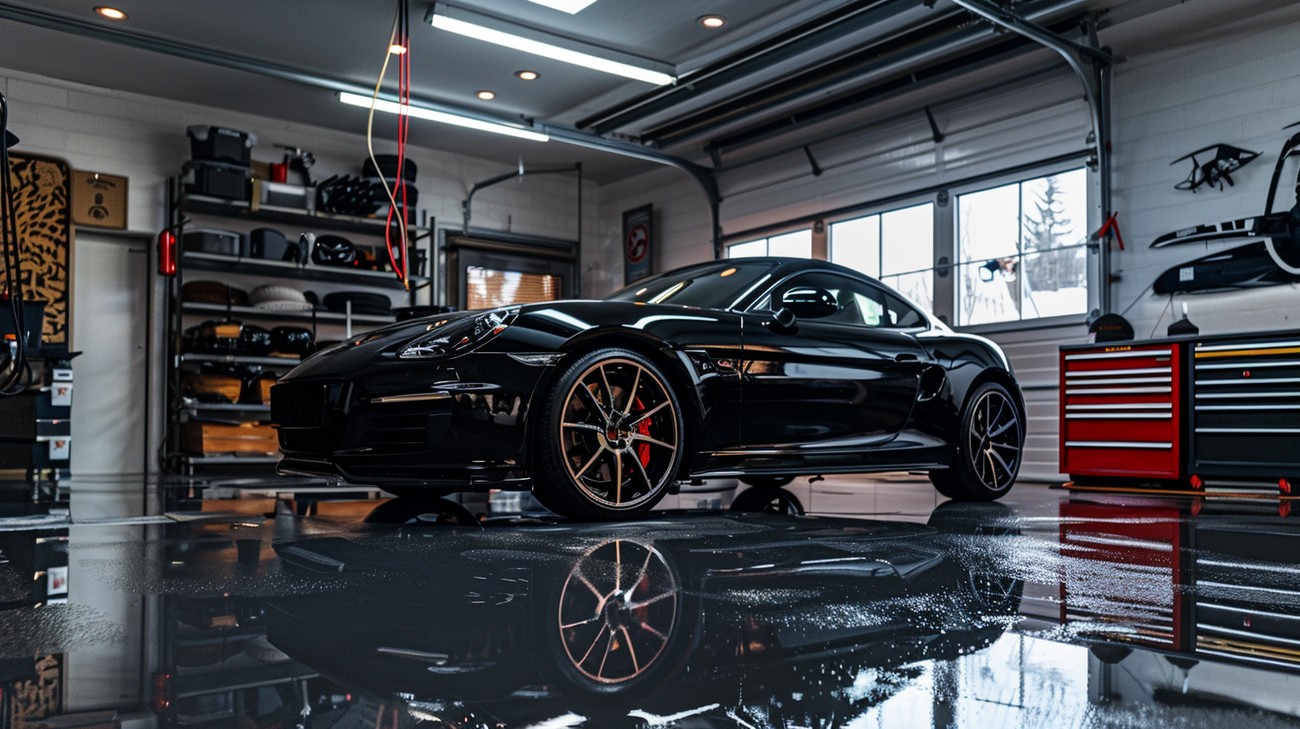
Who doesn't love a glossy, mirror-like shine that turns heads? Ceramic coatings enhance your car's color depth and give it a permanent wet look. Unlike wax, which can fade over a couple of months, a good ceramic coating can last years, so your car looks fresh off the lot with less frequent touch-ups.
Low Maintenance
When your car is coated in ceramic, it becomes somewhat of a self-cleaning superstar. Dirt and grime don't stick to the surface as easily, thanks to the hydrophobic nature of the coating. This water-repellant feature means you'll spend less time scrubbing and more time basking in the glory of your shiny ride.
Enhanced Resale Value
Let's face it, a car that looks well-maintained is bound to fetch a better price in the used car market. With ceramic coating, potential buyers see a car that's been cared for, with paint that isn't dull or scratched up. It’s an investment today that could pay off in the long run if you decide to sell.
Cons
Cost Considerations
Ceramic coating can be a costly affair, especially if you opt for professional application. You're looking at a significant upfront investment, which can be off-putting if you're on a tight budget. While it offers long-term advantages, the initial expense can feel heavy.
Application Process
Applying ceramic coating isn't exactly a DIY Sunday afternoon task. It requires meticulous preparation, from washing and claying to paint correction. And, let's be honest, any misstep in this process can mean uneven coating or, worse, damage to the paint. Unless you're a seasoned car care enthusiast, leaving it to professionals might be the best bet, adding to the overall cost.
Longer Curing Time
Unlike waxing your car which you can do in a day, ceramic coatings require a curing time. Your car might need at least 24 hours in a controlled environment to cure properly, which means you might be without your vehicle for a bit. It's a waiting game that tests your patience.
Potential for Imperfections
Once applied, the coating is relatively permanent. If there are any imperfections—like streaks or high spots—they might be there to stay unless you're willing to go through the removal process and reapply. It's a level of commitment and precision that might not be for everyone.
Not Foolproof
While ceramic coatings offer excellent protection, they're not invincible. Harsh chemicals, abrasive brushes, or even certain bird droppings can still affect the coating. It’s not a set-it-and-forget-it solution; you'll still need to care for your car properly to maintain the coating's benefits.

Final Thoughts
When it comes to protecting your vehicle, investing in auto ceramic coating is one of the best decisions you can make. This technology provides a durable shield against the elements, ensuring your car stays looking new and well-maintained for years to come. Not only does it enhance the visual appeal of your vehicle, but it also saves you time and money on future detailing and repairs, something we believe every car owner in Roseville, CA, can appreciate.
If you're considering giving your car that extra layer of protection, we invite you to reach out to our team at A+ Window Tinting. We’re here to help you explore your options and answer any questions you may have about auto ceramic coating. Schedule a consultation with us and discover how we can enhance your vehicle’s appearance and longevity.


