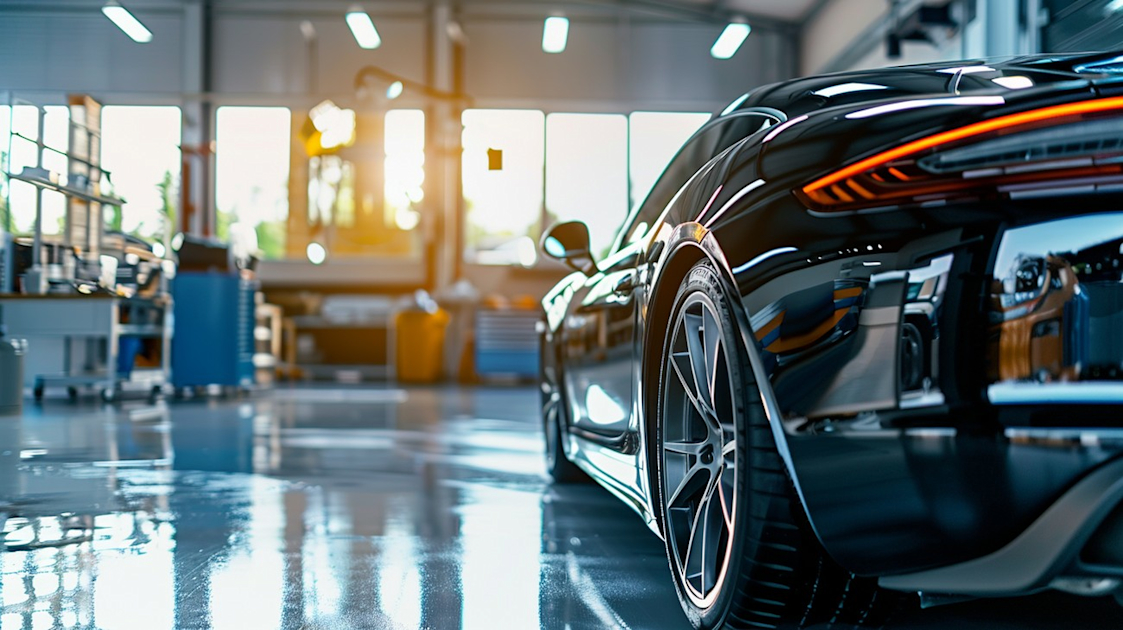


Car enthusiasts and everyday drivers alike often seek to maintain the fresh appearance of their vehicles. One primary concern is preserving the car's paint, which serves as both an aesthetic feature and a protective barrier. Understanding car paint protection methods can save time, money, and hassle in the long run. This guide will delve deep into the importance of car paint protection, the various methods available, and how to choose the best option for your vehicle.
Understanding Car Paint and Its Vulnerabilities
Car paint is made up of multiple layers, each serving a distinct purpose. From primer and base coat to clear coat, each layer plays a vital role in protecting the metal body underneath and providing a glossy finish. However, these paint layers are vulnerable to a range of damaging factors.
Common Threats to Car Paint
Day-to-day driving exposes your car's paint to several elements that can cause damage:
- Ultraviolet (UV) Rays: Prolonged exposure to sunlight can fade the paint and degrade its quality.
- Acid Rain: Pollutants in rainwater can etch into the paint and leave marks.
- Pollutants and Contaminants: Dust, bird droppings, tree sap, and other contaminants can physically damage the paint.
- Corrosive Chemicals: Road salt and other chemicals can cause corrosion and paint degradation over time.
- Physical Abrasion: Stones, gravel, and even sand can chip away at the paint surface.
Methods of Car Paint Protection
Thankfully, numerous methods are available to protect your car's paint, each offering different levels of protection and longevity. Here, we will cover some of the most popular options.
Waxing
Waxing is a traditional method of paint protection that provides a temporary shield against environmental elements. While it enhances the gloss and depth of the paint, it needs regular reapplication—typically every few months.
Advantages of Waxing:
- Enhances shine and depth.
- Provides a smooth surface, reducing friction.
- Easily accessible and cost-effective.
Paint Sealants
Paint sealants offer a synthetic alternative to waxing. They are made from polymers that bond with the paint surface, providing a longer-lasting barrier than wax. With proper application, paint sealants can last up to six months.
Benefits of Paint Sealants Include:
- Enhanced durability compared to wax.
- Provides a high-gloss finish.
- Protects against a range of environmental damage.
Ceramic Coatings
Ceramic coatings involve the application of a liquid polymer that chemically bonds with the car's paint. This method provides a durable, long-term solution, lasting several years with proper maintenance.
Why Choose Ceramic Coatings?
- Exceptional hydrophobic properties repel water and contaminants.
- Long-lasting protection.
- Resists UV rays and minor scratches.
Paint Protection Film (PPF)
Paint Protection Film (PPF), also known as a clear bra, consists of a thermoplastic urethane film applied to the car's surface. It offers the highest level of protection, especially in areas prone to physical damage.
- Advantages of PPF:
- Provides robust resistance to scratches, chips, and UV damage.
- Self-healing properties enable minor abrasions to disappear over time.
- Preserves the original paint job.
Choosing the Right Paint Protection
Selecting the right paint protection is crucial and depends on several factors, including climate, driving conditions, and personal preferences.
Consider Your Environment
If you live in an area with intense sunlight or harsh weather, investing in a more durable solution like ceramic coatings or PPF might be beneficial. Conversely, if your car is primarily garaged and used occasionally, waxing or paint sealants could suffice.
Factor in Your Budget
Costs vary significantly between the different methods. Waxing and sealants are generally more affordable, whereas ceramic coatings and PPF require a higher initial investment but offer longer-lasting benefits.
Evaluate Maintenance Commitment
Consider the level of maintenance you're willing to commit to. While waxing requires frequent reapplication, ceramic coatings and PPF require minimal upkeep beyond regular cleaning.
Maintaining Your Car Paint Protection
Regardless of the protection method you choose, regular maintenance is essential to maximize its effectiveness and longevity.
Regular Washing
Consistently washing your vehicle removes contaminants that can degrade the paint protection. Use pH-balanced soaps to gently cleanse the surface without stripping away the protective layer.
Avoid Automated Car Washes
Automated car washes can be harsh on paint protection, especially brushes that are not well-maintained. Opt for hand washing or touchless car washes instead.
Detailed Inspections
Regularly inspect your car for any signs of damage or areas where protection may have worn off. Prompt addressing of issues can prevent further damage.
FAQ: Car Paint Protection
What are the different types of car paint protection available?
Car paint protection comes in various forms, each offering distinct advantages. The most common types include wax, sealants, ceramic coatings, and paint protection film (PPF). Wax is a classic option providing a short-term shield against environmental elements and a glossy finish. Sealants offer a more durable alternative to wax and usually last longer due to their synthetic nature. Ceramic coatings provide a hard, glass-like layer on the vehicle surface, offering extended protection and enhanced shine. Paint protection film is a clear, thermoplastic urethane film applied to protect high-impact areas from rocks, chips, and scratches.
How does ceramic coating differ from traditional wax?
Ceramic coatings and traditional wax serve the common purpose of protecting car paint, but they function quite differently. Wax creates a temporary layer over the car's surface, providing a glossy finish and minor protection against elements like rain and sun. However, it typically only lasts a few weeks to a couple of months, depending on the application and environmental conditions. In contrast, ceramic coatings bond chemically with the car’s paint, forming a permanent or semi-permanent layer. This results in a much longer-lasting protective barrier that is highly hydrophobic and resistant to UV light, chemicals, and scratches. It bestows a lasting sleek and shiny appearance, often without needing reapplication for years.
Can I apply car paint protection myself or should I hire a professional?
Applying car paint protection can be a DIY project or handled by professionals, depending on the type of protection you choose. Wax and some sealants are user-friendly and can often be applied at home, given adequate preparation and attention to detail. However, ceramic coatings and paint protection films generally require more skill and experience to apply correctly. For these, hiring a professional is advised to ensure optimal application and finish. Professionals have the necessary tools and expertise to prep the vehicle's surface, apply the product evenly, and address any issues that arise during the process, resulting in a longer-lasting and more reliable protection.
How long does paint protection typically last on a car?
The longevity of car paint protection varies by type. Traditional waxes usually last anywhere from a few weeks to a few months, as they gradually wear off due to environmental exposure. Sealants offer a longer lifespan, generally staying effective for up to six months. Ceramic coatings are known for their durability, often providing protection for two to five years, depending on the quality of the product and the initial application. Paint protection film is extremely durable, with some products lasting up to ten years if maintained properly, making it one of the most long-lasting forms of car paint protection available.
Does paint protection film damage the car's paint?
Paint protection film (PPF) is designed to protect the car's paint, not damage it. When professionally applied, it acts as a sacrificial layer, absorbing impacts from stones, minor abrasions, and harsh environmental conditions. PPF is typically removable without causing damage to the underlying paint, provided that it has been applied correctly and the vehicle's paint was in good condition initially. It's important to choose a high-quality film and have it installed by experienced professionals to ensure it performs effectively and does not lead to any damage.
How does car paint protection affect the resale value of a vehicle?
Car paint protection can positively impact the resale value of a vehicle. A well-maintained exterior suggests that the car has been cared for, often attracting more potential buyers and allowing for a higher selling price. Protection forms like ceramic coatings and paint protection film help maintain the vehicle’s appearance by thwarting damages from UV exposure, road debris, and chemical contaminants, all common factors that can detract from a car’s paint over time. Demonstrating to a buyer that the car features professional paint protection can be a powerful selling point, offering reassurance about the vehicle’s condition and its longevity.
Is it necessary to wash a car regularly even if it has paint protection?
Yes, regularly washing your car is still necessary, even when it has paint protection. Although car paint protection like ceramic coatings and PPF offers significant protection against environmental damage, contaminants such as dust, bird droppings, tree sap, and road grime can still accumulate on the car’s surface. Regular cleaning helps maintain the integrity and effectiveness of the paint protection, ensuring it continues to function as intended. For enhanced results, use a mild, pH-balanced car wash soap and a soft microfiber cloth to avoid damaging the protective layer.
Will car paint protection make my car's color look different?
Car paint protection is designed to enhance, rather than alter, your car’s existing color. Products like waxes, sealants, and ceramic coatings add depth and gloss, making the paint appear more vibrant by highlighting the color and shine. Ceramic coatings, in particular, create a glass-like finish that can give your car a richer appearance. Paint protection film, being transparent, preserves the original paint’s appearance unless you choose a matte or satin film specifically for a different aesthetic. Properly applied protection should not distort or alter the inherent color of your vehicle's paintwork.
Exploring the Pros & Cons of Car Paint Protection
Pros
Enhanced Longevity
One of the main selling points of car paint protection is its ability to extend the life of your vehicle’s paint. Products like ceramic coatings create a strong, protective layer that shields against scratches, swirl marks, and other blemishes. This means that your car's exterior can remain looking pristine for several years longer than it might without such protection.
Resistance to Environmental Damage
Paint protection products act as a buffer between your car and the elements. This can include everything from harmful UV rays—which can fade paint over time—to caustic bird droppings and sap which can damage the paint if left untreated. This capability is particularly beneficial for those living in regions with harsh weather conditions.
Ease of Cleaning
One of the underrated joys of having paint protection is the ease with which you can wash your car. The smooth layer provided by ceramic coatings or wax repels dirt and grime, meaning that they’re less likely to stick to the surface. This not only makes your car easier to clean, but it often results in your vehicle looking cleaner for longer stretches between washes.
Boosted Aesthetic Appeal
There's something undeniably satisfying about driving a car that looks brand new, and paint protection can help maintain that classy, fresh-off-the-lot appearance. It enhances the natural color and shine of your car’s paint, often making it look glossier and richer.
Potential Increase in Resale Value
A well-maintained appearance can make your car more attractive to potential buyers. The protection that paint treatments offer helps prevent the sorts of defects that can be deal-breakers for prospective buyers. A car with minimal scratches and a vibrant paint job often fetches a better price compared to one without such protection.
Cons
Upfront Cost
Investing in high-quality paint protection can be a bit of a sticker shock. Products like ceramic coatings and paint protection films (PPFs) can be expensive, especially when considering professional application. This upfront cost may be a deterrent for some car owners who are working within a budget.
Maintenance Requirements
While paint protection makes cleaning easier, it doesn’t eliminate maintenance altogether. Some products require specific cleaning solutions and methods to maintain their effectiveness. Neglecting these care instructions can diminish the product's performance over time.
Not Bulletproof
Despite the many protective benefits, paint protection isn't a magical force field. It won’t prevent all forms of damage, particularly from significant impacts or deep scratches. This means that while it decreases the likelihood of minor damage, it's not a guarantee against all potential harm.
Application Time
Applying paint protection can be a time-consuming process. High-quality coatings often require careful preparation, precise application, and time to cure. This can mean that your car may be out of commission for a day or more if professionals are handling the task.
Limited DIY Options
Some car owners prefer the satisfaction of DIY maintenance, but applying high-end paint protection isn't always a straightforward process. It often requires specialized tools and skills, which can limit this option to those willing to invest the time to learn the techniques or pay for a professional application.
Final Thoughts
Investing in car paint protection is crucial for maintaining your vehicle's aesthetic appeal and resale value, especially given the wear and tear that comes from daily driving. By applying protective coatings, you can shield your car from harsh weather, UV rays, and minor abrasions, ensuring it looks as good as new for years to come.
If you're in Roseville, CA, and are ready to explore options for car paint protection, we at A+ Window Tinting are here to help. Reach out to us to schedule a consultation or request a free estimate—we'd love to assist you in keeping your vehicle looking its best!


