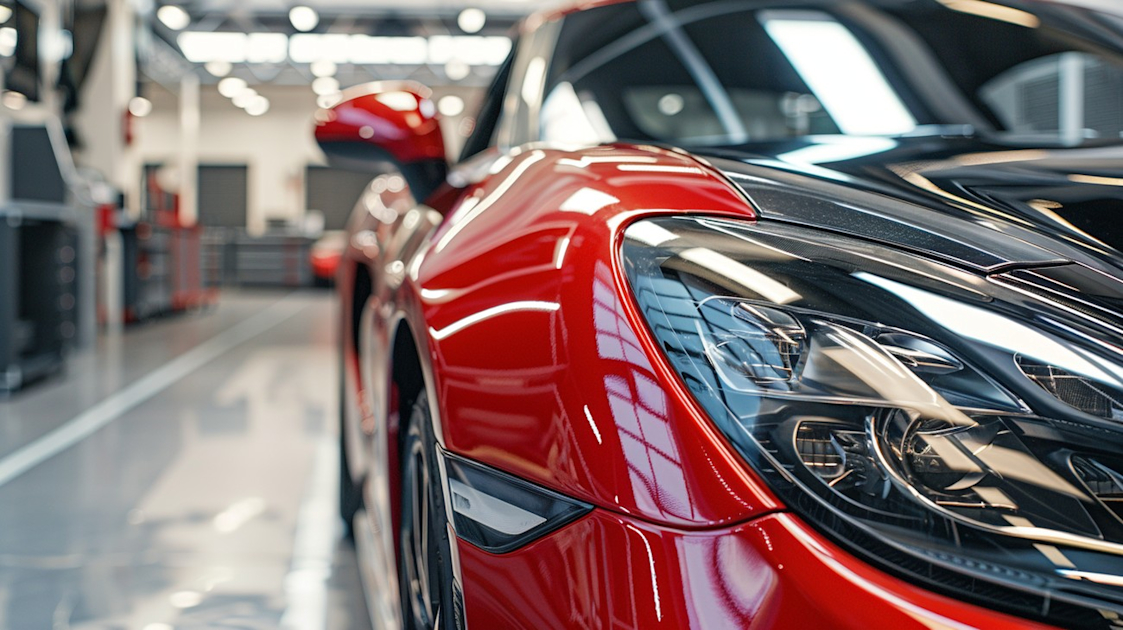


When it comes to preserving your vehicle's pristine appearance, few solutions gain as much attention as ceramic coatings and paint protection films (PPF). Both methods offer their own unique advantages and cater to different needs. Understanding these differences can help you make an informed decision on which option is suitable for your cherished ride. Let's dive deeper into the world of car protection and learn about ceramic coating versus paint protection film.
Understanding Ceramic Coating
Ceramic coatings are liquid polymers applied by hand, that chemically bond with the vehicle's factory paint, creating a protective layer that enhances durability and shine. These coatings are primarily formulated using nanotechnology, and they provide the vehicle with a barrier against environmental pollutants and UV light.
Benefits of Ceramic Coating
Ceramic coatings are celebrated for their long-lasting protective qualities. Here’s why:
- Hydrophobic Properties: One of the most noticeable effects is the water-repelling nature, which helps in maintaining a clean surface.
- Enhanced Durability: Protection against mild scratch marks, oxidation, and chemical staining.
- UV Protection: Guards against the damaging effects of the sun, which can lead to paint fading.
- Ease of Cleaning: The smooth surface makes dirt and grime less likely to adhere to the car, simplifying regular cleaning routines.
Limitations of Ceramic Coating
While ceramic coatings are excellent, there are limitations to be aware of:
- Not Invincible: They can only resist mild scratches, not full-on direct impacts.
- Level of Shine: Depending on the product used, it might not provide as glossy a finish as wax.
- Application Process: Requires professional installation to ensure proper bonding and effective results.
Exploring Paint Protection Film
Paint protection film, also known as clear bra or clear film, is a transparent thermoplastic urethane applied to painted surfaces. Unlike ceramic coatings, PPF is designed primarily to protect the surface from stone chips, bug splatters, and minor abrasions.
Advantages of Paint Protection Film
PPF provides robust physical protection due to its construction:
- Impact Resistance: Capable of absorbing stone chips and other small debris impacts.
- Self-Healing Properties: Many PPF variants have the ability to self-heal minor scratches with heat application.
- Comprehensive Protection: Offers almost full coverage for vulnerable areas like hoods, fenders, and side mirrors.
- Customizable: Can be cut and applied specifically to match your vehicle's unique contours.
Considerations With Paint Protection Film
For all its benefits, PPF has certain aspects to consider:
- Potential for Yellowing: Over time, some films may discolor, especially when exposed to UV light.
- Visible Edges: PPF can sometimes have visible edges unless professionally installed.
- Cost: Generally more expensive than ceramic coatings due to the material and labor involved.
- Replacement Concerns: Though durable, if damaged, PPF might require panel replacement rather than just touch-up.
Comparing Cost and Maintenance
In terms of maintenance and cost, both ceramic coatings and paint protection films offer distinct pathways:
- Ceramic Coatings: Typically less expensive, with the added benefit of reducing maintenance needs. You still need to wash your vehicle regularly but can often bypass the need for regular waxing.
- Paint Protection Film: Represents a higher initial investment, but provides more robust protection against physical damage. Maintenance involves periodic inspections and removal of any contaminants on the surface.
The Decision: Which is Right for You?
Deciding between ceramic coating and paint protection film comes down to your specific needs and expectations regarding paint protection.
Choose Ceramic Coating If: You primarily want to enhance paint gloss, ease cleaning, and protect against chemical and sun damage. It's optimal for drivers who mostly travel on regular roads with minimal debris exposure.
Opt for Paint Protection Film If: Your vehicle is frequently exposed to elements that cause physical damage, like gravel or rough terrain, or if you desire a higher level of protection for daily driving hazards.
FAQ: Ceramic Coating vs Paint Protection Film
How do ceramic coatings work on vehicles?
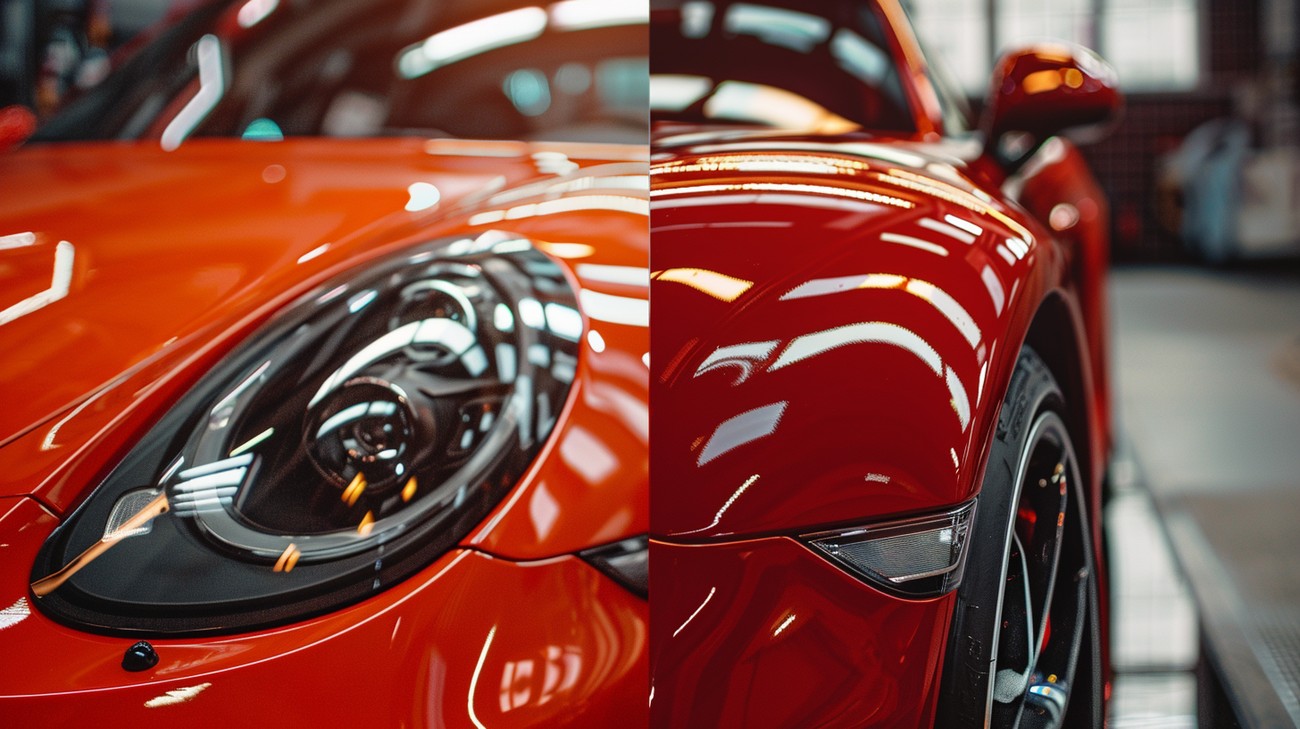
Ceramic coatings are liquid polymers applied to the exterior surfaces of vehicles. They chemically bond with the vehicle’s factory paint, forming a protective layer that enhances the paint's resistance to dirt, debris, and other elements. The coating provides a glossy finish and makes maintenance easier by repelling water and reducing surface contamination. Ceramic coatings are favored for their ability to enhance the aesthetic appeal of a car while offering protection from environmental damage.
What exactly is Paint Protection Film?
Paint Protection Film (PPF), also known as clear bra, is a transparent film applied to the car's paintwork. It acts like a physical barrier between the vehicle’s surface and external damaging elements such as rock chips, scratches, and road debris. Unlike ceramic coating, PPF can absorb minor impacts, preventing damage that could otherwise harm the car’s paint. It's an excellent option for long-term protection if you are concerned about physical damage.
Can ceramic coatings replace traditional waxing?
Yes, ceramic coatings can replace traditional waxing as they offer more durable and long-lasting protection. Unlike wax, which needs to be reapplied every few months, ceramic coatings can last several years, protecting your vehicle against UV rays, chemicals, and minor abrasions. Although ceramic coatings cost more upfront than waxing, their longevity and superior protection often make them a cost-effective solution over time.
Do ceramic coatings protect against scratches?
Ceramic coatings do offer a level of scratch resistance, but they are not completely scratch-proof. They provide a hard layer over the vehicle's paint, which can help minimize the risk of minor scratches and swirl marks. However, for maximum scratch protection, Paint Protection Film is a better choice, as it is specifically engineered to absorb impacts and resist scratches more effectively.
How long do Paint Protection Films last?
Paint Protection Films typically last between 5 to 10 years, depending on the quality of the film, environmental conditions, and upkeep. High-quality films come with warranties that assure their durability. With proper care, PPF can maintain its protective features over several years, providing excellent defense against road debris and weathering effects.
Is one product better than the other for UV protection?
Both ceramic coatings and Paint Protection Film offer UV protection, though the extent and nature of the protection differ. Ceramic coatings provide a glossy finish that significantly blocks harmful UV rays, preventing paint oxidation and fading. PPF also includes UV inhibitors, but its main focus is on physical damage. If UV protection is your primary concern, ceramic coating may be more cost-effective for your car.
How does maintenance differ between the two options?
Maintenance for ceramic coatings is generally more straightforward than for PPF. With ceramic coatings, regular washing and occasional decontamination keep the surface in optimal condition. PPF, on the other hand, requires more attention to prevent edges from lifting and to maintain its adhesion and transparency. You'll need to follow specific cleaning guidelines to protect the integrity of the film.
Are both ceramic coating and PPF visible on the vehicle?
Ceramic coatings enhance the vehicle’s appearance by providing a glossy, shiny finish that highlights the paint color. They aren't visible as a separate layer, as they integrate with the car's surface. Conversely, PPF is a visible film that can add a slight layer to the car’s surface, although high-quality films are designed to be as clear as possible. Some people may notice a line where the film ends, especially if the car color contrasts with the film's edge.
Which option is more suitable for daily driven vehicles?
Both options cater well to daily driven vehicles, but they serve slightly different purposes. Ceramic coatings are fantastic for those who want ease of maintenance and enhanced appearance, as they repel dirt and contaminants effectively. PPF is recommended if the vehicle often encounters harsh road conditions or environments prone to scratches and impacts. For comprehensive protection, some car owners choose to use both products: PPF for high-impact areas and ceramic coating for enhanced gloss and ease of maintenance.
Comparison
Key Features Comparison
| Feature | Ceramic Coating | Paint Protection Film |
|---|---|---|
| Primary Purpose | Enhances gloss and shine, protects paint from minor swirls, UV, and dirt | Prevents chips, scratches, and minor impact damage |
| Durability | 2 to 5 years with proper maintenance | 5 to 10 years with high-quality films |
| Thickness | Microns (thin) | Millimeters (thicker) |
| Maintenance | Requires regular washing, potentially reapplication | Minimal, occasional cleaning |
| Aesthetic Impact | Provides a glossy, hydrophobic finish | Mostly invisible, can alter appearance slightly if tinted |
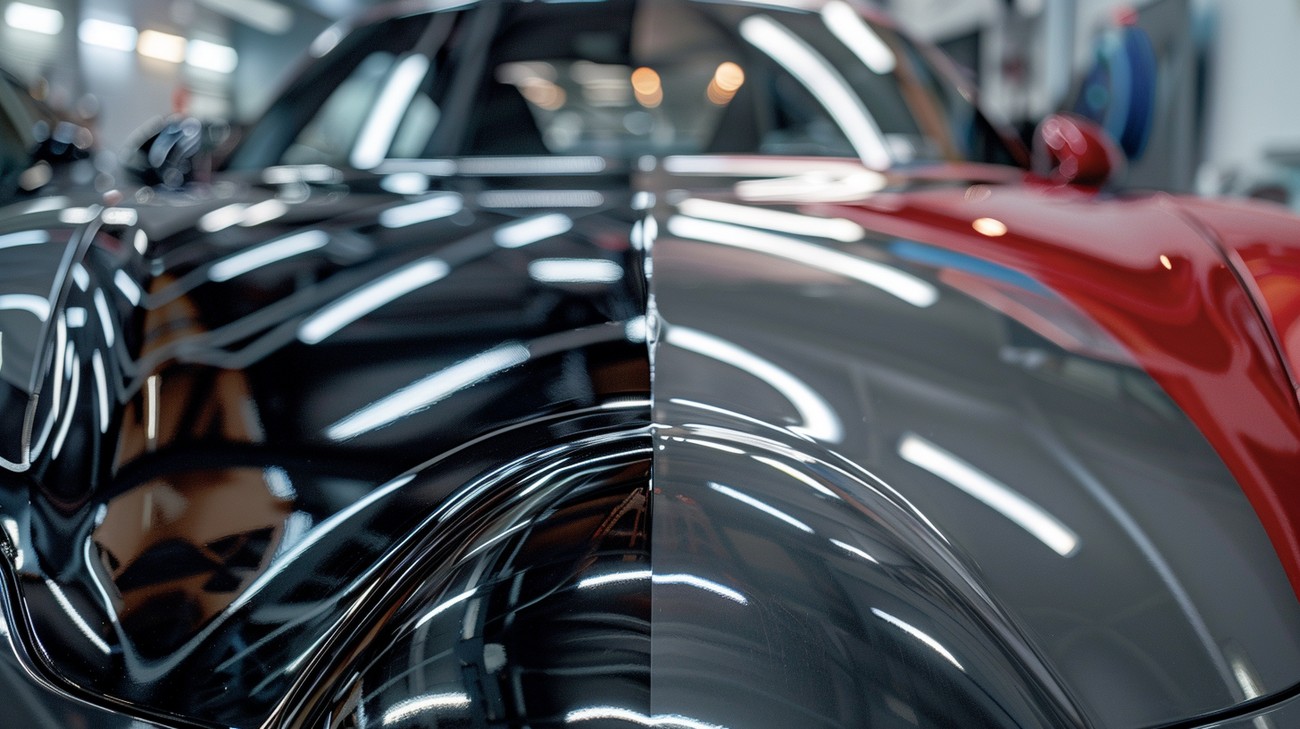
Ceramic coatings are thinner and primarily enhance the aesthetic quality of your car's paint while providing basic protection. In contrast, paint protection films are thicker and offer a durable shield against physical damages like small rocks and debris.
Performance Differences
Gloss and Shine: Ceramic coatings excel in producing a deep, lustrous shine and enhance color depth. PPF, although providing some gloss, may not offer the same shine unless combined with a coating over it.
Protection: For sheer protective ability against chips, scratches, and potential road hazards, PPF is the superior choice. This is due to its thicker structure, which is designed to absorb and disperse impact.
Self-healing Properties: Many PPFs are engineered with self-healing technology that eliminates minor scratches with heat from the sun or hot water. Ceramic coatings, however, do not have this feature.
Price Comparison
| Option | Average Cost for Full Coverage on Sedan |
|---|---|
| Ceramic Coating | $500 - $2,000 |
| Paint Protection Film | $1,500 - $5,000 |
Ceramic coatings generally come with a lower initial cost compared to PPF. However, this varies widely with the quality of the product used and the area of application. Paint protection films are pricier due to their complex installation process and the cost of high-quality materials.
Best Use Cases for Each
Ceramic Coating: Best for individuals who are looking to enhance the visual appeal of their vehicles, particularly those who enjoy regular maintenance and cleaning. This option suits classic car enthusiasts or anyone wanting to accentuate their car’s paint while also easing everyday cleaning and maintenance.
Paint Protection Film: Ideal for owners seeking robust protection from physical damage, such as those who frequently drive on highways, in off-road conditions, or in harsh weather environments. It’s also preferred by sports car owners or those whose vehicles expose them to high-risk areas for scratches and chips.
Bottom Line Recommendation
Both ceramic coatings and paint protection films serve unique functions, and your choice should be influenced by what you hope to achieve. If you're after superior gloss and easier maintenance for your everyday car, ceramic coating is the route to take. However, if you prioritize robust protection against physical wear and tear, particularly if your driving exposes your car to potential hazards, investing in a high-quality paint protection film is likely the more optimal decision.
Final Thoughts
When considering Ceramic Coating vs Paint Protection Film, it’s important to remember that both options provide excellent protection for your vehicle, but they do so in different ways. Ceramic coatings create a strong, hydrophobic layer over your paint, enhancing its shine and protecting against dirt and grime, while paint protection film offers a physical barrier against scratches and other damage. Depending on your specific needs and preferences, one may be more suitable than the other.
If you're in Roseville, CA, and want to explore which option is best for your vehicle, we’re here to help. At A+ Window Tinting, we specialize in both ceramic coatings and paint protection films, and we’d love to guide you through the process. Feel free to reach out to us to schedule a consultation or request a free estimate – we’re dedicated to helping you keep your car looking its best!


