
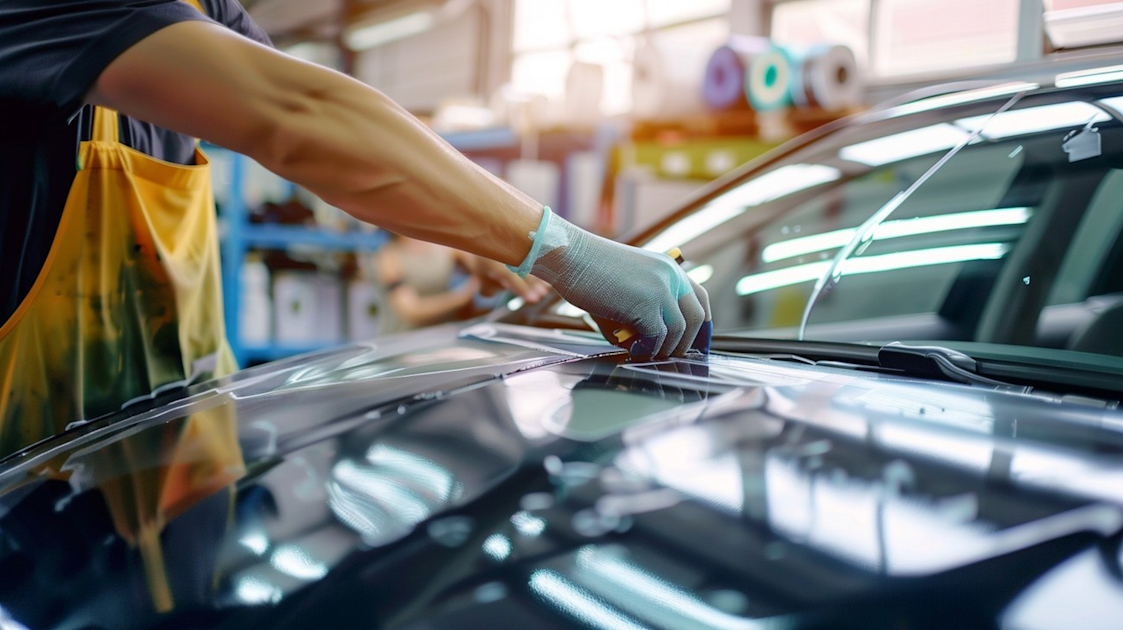


When it comes to enhancing your driving experience, few modifications offer as many benefits as windshield tinting. Not only does it provide a sleek, stylish look to your vehicle, but it also offers numerous practical advantages. In this comprehensive guide, we'll dive deep into the world of windshield tinting, exploring the best options available, the benefits of each, and why it's an excellent investment for any vehicle owner.
What is Windshield Tinting?
Windshield tinting involves applying a thin laminate film to the glass surface of your windshield. This film comes in various shades and materials, each providing unique benefits, from protection against UV rays to increased privacy. The right tint can transform your driving experience and enhance your vehicle's appearance.
Why Consider Windshield Tinting?
1. UV Protection
One of the primary reasons drivers opt for windshield tinting is its ability to block harmful ultraviolet (UV) rays. Regular exposure to UV rays can damage your skin and fade the interior of your car. A quality tint can block up to 99% of UV rays, protecting both you and your vehicle.
2. Heat Rejection
Driving in the summer can be unbearable if your car's interior feels like an oven. Tinted windows can significantly reduce the amount of heat entering the vehicle. This not only makes for a more comfortable ride but also reduces the load on your air conditioning system, potentially improving fuel efficiency.
3. Improved Visibility and Glare Reduction
Driving with the sun in your eyes isn't just uncomfortable; it's dangerous. Windshield tints reduce glare from the sun and oncoming headlights, providing a clearer, safer view of the road. This is especially beneficial during sunrise, sunset, or at night.
4. Enhanced Privacy and Security
Tinted windows offer an added layer of privacy by making it harder for people to see inside your car. This can deter potential thieves and protect any valuables inside your vehicle.
Different Types of Windshield Tints
1. Dyed Window Tint
Dyed window tint is one of the most economical options. It provides excellent glare reduction and is effective at absorbing solar heat. However, it is less durable compared to other options and might fade over time.
2. Metalized Window Tint
This type incorporates tiny metallic particles that reflect heat and block UV rays. It’s highly effective at reducing heat but can interfere with electronic signals, such as GPS and radio reception.
3. Carbon Window Tint
Carbon tint offers a matte finish that provides a sleek look without any metallic components, ensuring no signal interference. It is excellent at blocking UV rays and reducing heat, plus it’s more durable than dyed tints.
4. Ceramic Window Tint
The cream of the crop in the world of window tints, ceramic tint uses nanotechnology to block sunlight. It's the most effective at reducing heat and UV rays without any interference with electronics. While priced higher, it delivers the best all-around performance.
Choosing the Right Tint for Your Needs
When selecting the perfect tint for your vehicle, consider the following factors to ensure you make the best choice:
- Legal Restrictions: Each state and country have specific laws regarding how dark your tint can be. Ensure you are compliant with the regulations in your area.
- Budget: Evaluate how much you are willing to invest. While ceramic tints offer more benefits, they come at a higher price point.
- Purpose: Determine your primary purpose for tinting. Are you looking for UV protection, temperature reduction, or privacy?
- Installation Quality: The skill of the installer significantly affects the outcome. Choose a reputable service to avoid bubbling or poor application.
Installation Process
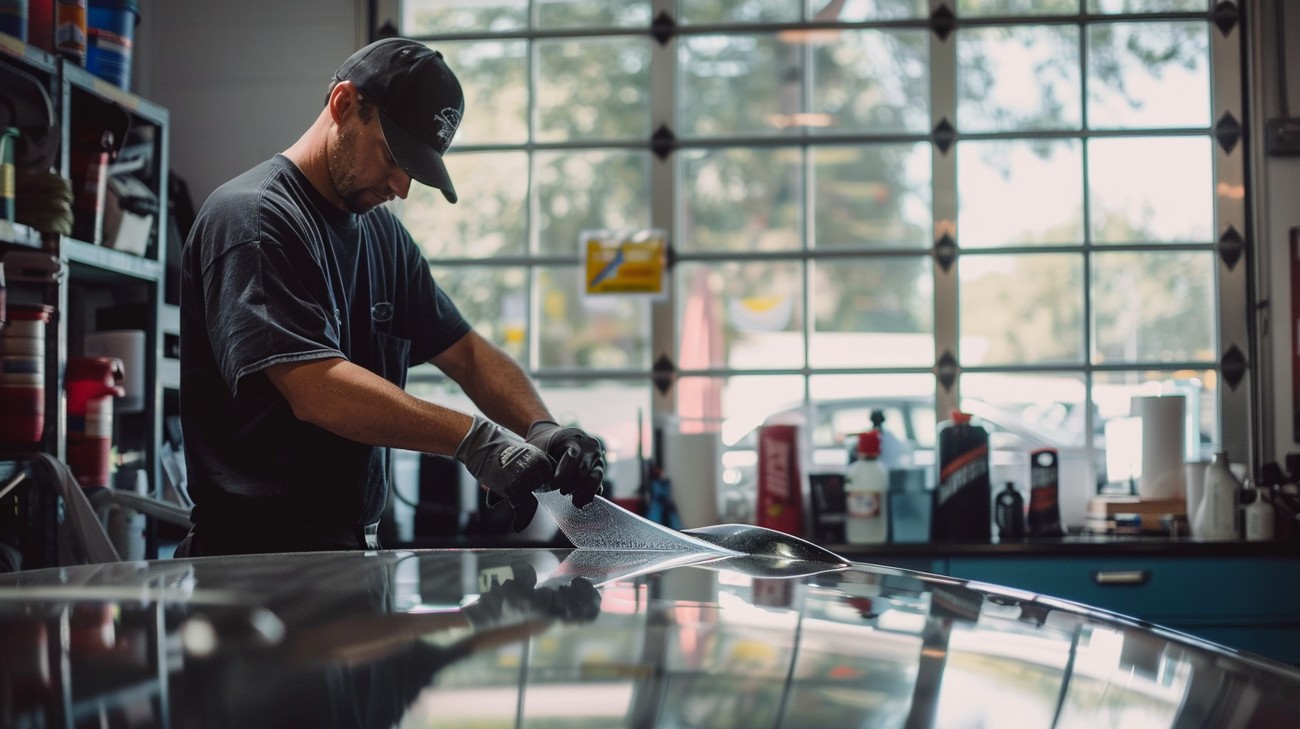
While some might be tempted to install window tints themselves, professional installation ensures a higher quality, longer-lasting result. Here’s a brief overview of what to expect during professional installation:
- Preparation and Cleaning: The windshield is thoroughly cleaned to remove any dirt and debris.
- Film Cutting: The tint film is expertly cut to match the dimensions of your windshield.
- Application: The film is carefully applied to the interior surface of the glass, ensuring no bubbles or creases.
- Drying: The film requires time to adhere properly and cure, usually taking a few days for optimal results.
Maintenance Tips for Longevity
To ensure your tint lasts as long as possible and continues to perform effectively:
- Avoid Abrasive Cleaners: Use a soft cloth and a non-ammonia-based cleaner to keep the tint in pristine condition.
- Be Gentle: Avoid placing sharp objects near the tinted areas and be cautious when rolling windows up and down.
- Regular Inspections: Check for any signs of peeling or bubbling and address these issues promptly with your installer.
Best Windshield Tinting FAQ
How do I choose the best windshield tinting for my car?
Choosing the best windshield tinting for your vehicle involves considering several factors, including the type of tint material, your local laws, and your personal preferences regarding color and darkness. Ceramic tints, though pricier, offer excellent UV protection and heat rejection. If budget is a concern, dyed window tints are an affordable option; however, they may not last as long under intense sun exposure. Always check your state regulations to ensure the tint percentage complies with legal standards. Ultimately, the best windshield tinting should meet your needs for aesthetics and functionality while keeping you compliant with the law.
What are the benefits of the best windshield tinting?
Investing in the best windshield tinting can offer substantial benefits. For starters, quality tints can significantly reduce solar heat and glare, making driving more comfortable and less straining on the eyes. They also provide excellent UV protection, safeguarding you and your car's interior from harmful rays, reducing the risk of skin cancer, and preventing upholstery from fading. Additionally, good quality tinting enhances privacy and can even add a layer of shatter-resistance to the glass, providing extra safety in case of accidents.
Can the best windshield tinting improve energy efficiency?
Absolutely. Using the best windshield tinting can enhance your vehicle's energy efficiency by reducing the reliance on air conditioning. By blocking significant amounts of solar heat, tinted windows help maintain a cooler car interior, reducing the load on your car's air conditioning system. As a result, this can potentially lead to improved fuel economy since your vehicle doesn't require as much energy to cool down, which is not only beneficial for your wallet but also the environment.
Is it worth getting the best windshield tinting if I park in a garage?
Even if you park your car in a garage overnight or while at work, the best windshield tinting can still provide value during those times your car is exposed to the sun, such as during your daily commutes or when you're running errands. The tint will work continuously to protect against harmful UV rays and reduce heat build-up, preserving both your comfort and your car's interior over time. Even short periods of sun exposure can have a cumulative negative effect on your car's dashboard and upholstery without proper protection.
How long does the best windshield tinting last?
When professionally installed, and if you choose high-quality materials, the best windshield tinting can last many years — typically around 5 to 10 years, depending on conditions. Regular maintenance, avoiding harsh cleaners, and parking in the shade can help prolong the life of your tint. Frequent exposure to intense sunlight and incorrect cleaning methods are common factors that can lead to faster deterioration, so proper care is essential to maximize longevity.
Can I install the best windshield tinting myself?
While DIY kits are available, installing the best windshield tinting requires precision and skill to avoid bubbles and creases that affect the appearance and performance of the tint. Professional installers have the expertise to ensure a flawless application, using high-quality materials and tools. They also provide warranties that a DIY job wouldn't, offering peace of mind should issues arise. If you're serious about getting a professional finish and maximizing the benefits, opting for expert installation is generally the better choice.
How much does the best windshield tinting cost?
The cost of the best windshield tinting varies widely based on factors such as the type of tint material, the make and model of your vehicle, and the professional service provider's rates. Basic dyed window films can be quite affordable, while high-end ceramic tints, which offer superior performance and longevity, will be more expensive. On average, you might expect to pay anywhere from $100 to $400 or more for professional installation. It's a worthwhile investment considering the long-term benefits and the potential savings on energy costs and upholstery repairs.
Will the best windshield tinting affect night driving?
The level of darkness in the tint can impact visibility, especially at night. When selecting the best windshield tinting, it's essential to find a balance that reduces glare and sunlight during the day without significantly compromising your night-time vision. Many high-quality tints are designed to provide excellent visibility in varying light conditions, using advanced technology that allows good vision while still offering sun protection. Consulting with a tint professional can help you determine the right level of tint that meets your needs day and night.
Are there legal restrictions on the best windshield tinting?
Yes, legal restrictions are a critical consideration when choosing the best windshield tinting. These regulations, expressed as a percentage indicating the amount of visible light transmission allowed, vary from state to state and can affect how dark and reflective your tint can be. It’s essential to check the specific laws in your area or consult with a professional installer who is familiar with local regulations to ensure compliance. Non-compliance could result in fines and the need to remove or replace the tint.
Does the best windshield tinting require maintenance?
Maintaining the best windshield tinting is relatively straightforward but essential to retain its appearance and function. Clean the tinted windows with a soft cloth and non-ammonia-based cleaner to avoid damaging the film. Be gentle to prevent scratches or peeling. Avoid rolling down the windows for a few days post-installation to ensure proper curing. With regular care and avoiding contact with sharp objects, your windshield tinting will continue to provide protection and aesthetics for years.
Comparison
Key Features Comparison
3M Crystalline: Known for its impressive heat rejection properties without having to go too dark, 3M Crystalline uses multi-layer optical film technology. It's a high-end option that offers great UV protection and clarity even for lighter tints.
Llumar CTX: Llumar employs nano-ceramic technology, giving it excellent durability against scratches and exceptional clarity. It also offers UV protection that competes well with higher-end tints.
SunTek Carbon: This option forgoes metal in its construction, ensuring there's no interference with GPS or electronic signals. SunTek Carbon provides robust UV protection and is a more budget-friendly choice.
Huper Optik: Featuring a dual-layer ceramic construction, Huper Optik tints are known for their durability and high-end luxury appeal, making them a top pick for preserving vehicle interiors from heat and UV damage while maintaining crystal clarity.
Global QDP: With dual-ply construction, this tint ensures good UV protection and is fade-resistant. It's affordable, which makes it accessible for those looking for basic UV protection and some style enhancement.
Performance Differences
Heat Rejection: 3M Crystalline leads the pack with its remarkable heat rejection properties. Huper Optik also performs well, even in highly demanding environments. Llumar CTX follows closely, maintaining good temperature control. SunTek and Global QDP offer reasonable heat rejection suitable for moderate climates.
Glare Reduction: 3M Crystalline and Huper Optik excel at minimizing glare, making them ideal for those who frequently drive in bright conditions. Llumar CTX also provides very good glare reduction. SunTek Carbon and Global QDP offer basic glare control, adequate for urban driving.
Price Comparison
Premium Range: Huper Optik ($$$$$) and 3M Crystalline ($$$$) sit on the higher end of the price spectrum, reflecting their advanced technological features and performance.
Mid-range: Llumar CTX ($$$) perfectly balances cost with high performance, making it a versatile option for many users.
Budget Range: SunTek Carbon ($$) and Global QDP ($) are the go-to choices for those looking to enhance their vehicle's aesthetics and comfort without breaking the bank.
Best Use Cases
3M Crystalline: Excellent for luxury vehicle owners or drivers in extremely hot regions who require maximum heat rejection and a cool cabin.
Llumar CTX: Ideal for everyday drivers who want a reliable, durable tint without compromising on performance or price.
SunTek Carbon: Perfect for budget-conscious consumers and daily commuters who still demand effective UV protection.
Huper Optik: Best suited for luxury cars and drivers who plan to keep their vehicles for the long haul, given its durability and superior protection.
Global QDP: Great for users seeking a cost-effective solution with reasonable protection and enhancement to vehicle aesthetics.
Bottom Line Recommendation
Choose based on your priorities. If you desire superior heat rejection and don't mind spending a bit more, 3M Crystalline or Huper Optik are excellent options. For a durable yet cost-effective choice, Llumar CTX is a solid mid-range option. If budget constraints are more critical, SunTek Carbon and Global QDP provide sufficient performance without the high price tag.
Buyer's Guide: What to Look For
Key Factors to Consider
When it comes to selecting the best windshield tinting, the decision is not just about looks—there are several crucial aspects you need to take into account:
Local Regulations: First and foremost, understand the laws in your area regarding windshield tinting. Various regions have specific regulations concerning the degree of tint allowed. Overstepping these limits can lead to fines or even being asked to remove the tint.
Type of Tint: Several types are available, such as dyed, metalized, carbon, and ceramic tints. Dyed tints are the most economical but offer minimal heat reduction, metalized tints add strength to the glass but can interfere with electronics, carbon tints block more UV rays, and ceramic tints provide top-tier performance but at a higher price.
UV Protection: Protecting against harmful UV rays is a huge factor. A quality windshield tint should block 99% of UV radiation to preserve the interior of your car and protect your skin during long drives.
Heat Reduction: Consider how well the tint can keep your car cool. Advanced tints can significantly reduce heat inside the car, enhancing comfort and reducing AC usage.
Visibility and Clarity: Make sure the tint doesn’t impede your vision, especially during night drives. Maintaining clear visibility is paramount for safety.
Durability: Look for tints with a strong adhesive and scratch-resistant surface. This ensures your tint will withstand daily wear and tear without peeling or bubbling.
Must-Have vs Nice-to-Have Features
Must-Have Features: These include compliance with local laws, effective UV protection, and maintaining clear visibility. Durability is also non-negotiable since a peeling tint can be a distraction and deteriorate quickly.
Nice-to-Have Features: While not essential, features like enhanced heat reduction, advanced materials such as ceramic, and aesthetic choices like color variations or patterns can be a bonus. These features might add to your comfort and the car's look but aren't absolutely necessary for safety and compliance.
Red Flags to Avoid
Keep an eye out for these warning signs when choosing your tint service or product:
No Warranty: Reputable tint products and services should offer a warranty. A lack of one suggests poor quality and lack of confidence in their product.
Too Good to Be True Prices: If a deal seems unusually cheap, it probably indicates inferior materials or shoddy workmanship. Don’t compromise on quality over cost.
Amateur Installers: Proper installation is key to a well-performing tint. Avoid services that are vague about their qualifications or cannot show previous work samples.
Peeling and Bubbling: These are signs of poor quality material or installation. Examine any showroom samples for these defects.
Questions to Ask Before Buying
Before committing to a tinting service, make sure you have all the necessary information:
- Is the tint legal in my area?
- What type of warranty do you offer?
- How much UV and heat will the tint block?
- Are there any interference issues with electronics?
- How long does the installation take, and what is the procedure?
- Do you have references or samples of past work?
- What post-installation care is required?
How to Spot Quality
Identifying quality in windshield tinting isn’t just about price—it’s also your experience and research:
- Check the Brand: Known brands often guarantee quality. Read reviews and consider customer feedback for insights.
- Evaluate the Installer’s Experience: Seek out an experienced installer. They should be well-educated about the products they use and capable of answering all technical questions with confidence.
- Look for Certifications: Tints certified by recognized industry standards organizations tend to meet rigorous performance and safety criteria.
- Examine Post-Installation Appearance: A quality tint should look seamless—no bubbles, scratches, or creases. Inspect the final work under various light conditions to confirm clarity.
- Material Feel: Superior tints will feel sturdier and more substantial compared to flimsy alternatives. Trust your touch during a pre-installation review to determine quality.
Final Thoughts
Finding the best windshield tinting for your vehicle is all about balancing style, functionality, and local regulations. With the right tint, you can improve your driving experience by reducing glare, protecting your interior, and enhancing your overall safety on the roads. Whether you’re in search of UV protection or simply want to give your car a sleek look, it's important to choose a tint that meets your needs and complies with local laws, especially for those of us servicing homeowners in Roseville, CA.
If you're ready to enhance your vehicle with high-quality tinting, we invite you to reach out to A+ Window Tinting. Our team is here to help with expert advice tailored to your specific situation. Schedule a consultation or request a free estimate today, and let us assist you in finding the perfect solution for the best windshield tinting!


