
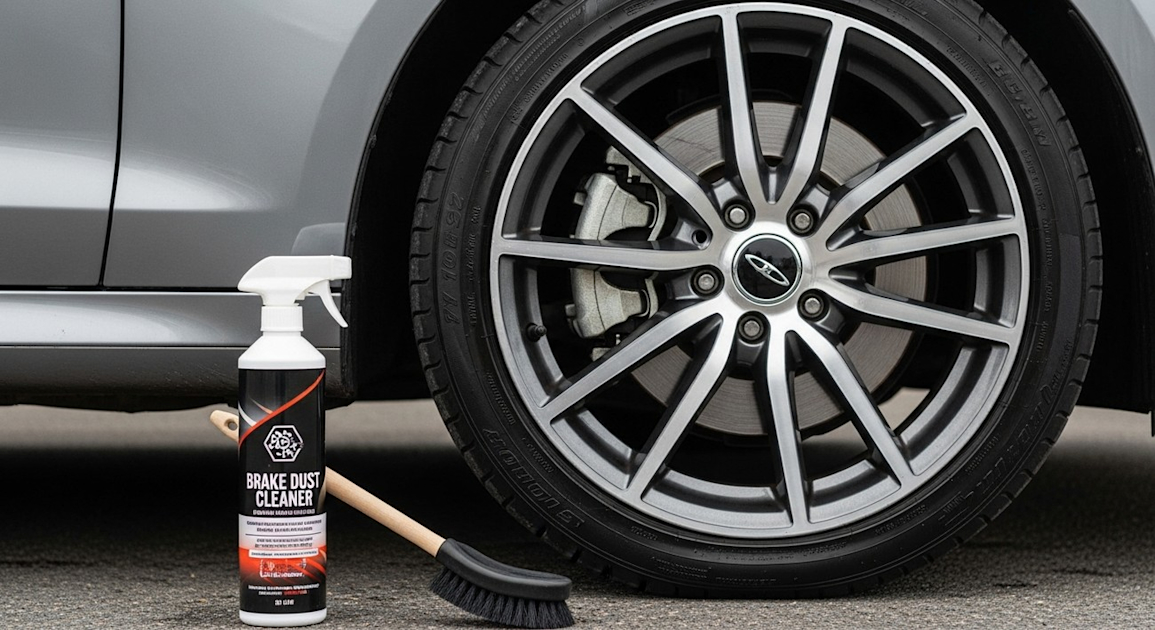


If you're a car enthusiast or simply want to keep your vehicle in pristine condition, you know the importance of maintaining the aesthetics and performance of your ride. A significant component of this maintenance is managing brake dust, a common byproduct that can affect the appearance and integrity of your wheels. This comprehensive guide will help you understand everything about brake dust cleaner – from why it's essential to how to choose the right one for your vehicle.
What is Brake Dust?
Brake dust originates from the friction created between your brake pads and rotors as you drive. This friction wears down the brake materials, resulting in minute particles of dust. Over time, these tiny particles accumulate on your wheels, forming a stubborn grime that can detract from the appearance of your car.
Types of Brake Dust
- Metallic Dust: Comes from semi-metallic pads and is commonly seen in high-performance brakes.
- Ceramic Dust: Produced by ceramic brake pads, it tends to be lighter in color and less obvious.
- Organic Dust: Created by organic brake pads and normally results in a finer dust.
The Importance of Using Brake Dust Cleaner
Protect Wheel Integrity
Brake dust isn't just unsightly; it's also corrosive. If left unchecked, brake dust can eat away at your wheel's finish, leading to rust, discoloration, and permanent damage.
Enhance Vehicle Aesthetics
Keeping your wheels clean enhances the overall look of your car, making it appear well-maintained and new. A good brake dust cleaner helps maintain that fresh-from-the-showroom shine.
How to Choose the Right Brake Dust Cleaner
Consider Material Compatibility
Not all brake dust cleaners are created equal. Some can be harsh on certain materials like chrome or alloy. Always choose a cleaner that's compatible with your wheel's material to avoid damage.
pH Balanced Formula
Selecting a pH-balanced brake dust cleaner ensures that it is gentle on your wheels while still being effective. Acidic cleaners, while powerful, can cause corrosion and weaken the wheel structure over time.
Check for Eco-Friendly Options
Today, many brake dust cleaners offer eco-friendly formulas that are both effective and environmentally safe. Look for biodegradable options to minimize your environmental footprint.
How to Effectively Use Brake Dust Cleaner
Initial Rinse: Begin by rinsing your wheels with water to remove loose dirt and debris. This step helps prevent scratching during the cleaning process.
Apply Cleaner: Generously apply the brake dust cleaner to your wheels. Ensure you cover the entire surface, especially the nooks and crannies where dust typically accumulates.
Let It Sit: Allow the cleaner to sit for the recommended time. This period is vital as it lets the cleaner break down the brake dust without requiring excessive scrubbing.
Agitation: Use a soft wheel brush to agitate the cleaner, focusing on areas with heavy dust accumulation. Be gentle to avoid scratching the wheel surface.
Rinse Thoroughly: Rinse the wheels with water, ensuring all cleaner and debris are washed away.
Dry: Finally, dry your wheels with a clean microfiber cloth to prevent water spots.
Top Tips for Maintaining Clean Wheels
- Regular Cleaning Routine: Consistently cleaning your wheels every two weeks can prevent the buildup of brake dust.
- Apply a Wheel Sealant: Consider applying a wheel sealant after cleaning to create a protective barrier against dust and grime.
- Safe Driving Habits: Avoid harsh braking, which can reduce brake dust production and extends the life of your brake components.
FAQ: All About Brake Dust Cleaner
How does a brake dust cleaner work?
A brake dust cleaner uses a combination of chemical agents to effectively dissolve and remove the stubborn residue that accumulates on your wheels. The active ingredients in these formulas are designed to break down the gritty particles and metallic bits that originate from the braking process. When you spray the cleaner onto the affected areas, it penetrates the dust buildup and loosens it, making it easy to wipe or rinse away. This targeted approach not only improves the appearance of your wheels but also helps prevent long-term damage and corrosion.
Is it safe to use a brake dust cleaner on all types of wheels?
Most brake dust removers are formulated to be safe on a variety of wheel surfaces, including alloy, aluminum, chrome, and steel. However, it's essential to check the product label for any specific restrictions or recommendations. Some cleaners might not be suitable for polished or anodized wheels, as their strong chemicals could compromise these delicate finishes. It's always a good idea to spot-test a small area before applying it to the entire wheel to ensure compatibility and prevent any accidental damage.
How often should I use a brake dust remover on my wheels?
The frequency of using a brake dust remover depends largely on your driving habits and environment. If you do a lot of city driving or frequent stop-and-go traffic, you might need to clean your wheels more often, perhaps once a week. However, if you primarily drive on highways or less trafficked roads, cleaning once a month could suffice. Regular use of a brake dust cleaner will not only keep your wheels looking their best but also prolong their life by preventing potential corrosion from the buildup.
Can I make my homemade brake dust cleaner?
While it's possible to concoct a homemade brake dust remover using household ingredients, commercial products are specifically formulated for the task, making them generally more effective. Ingredients like vinegar, baking soda, and dish soap can provide a mild cleaning effect, but they might not remove the embedded particles as thoroughly as a specialized brake dust cleaner. If you opt for the DIY route, ensure that the solution is non-abrasive and rinse the wheels thoroughly to prevent any residue.
Do brake dust cleaners affect my car's braking performance?
A brake dust remover is solely designed to clean the residue off your wheels and should not affect the performance of your brakes when used correctly. It's crucial to follow the instructions on the product label and avoid spraying the cleaner directly onto the braking components such as calipers and rotors. Oversaturation of these parts could lead to unwanted effects, so sticking to the recommended usage will ensure that your vehicle’s braking system remains unaffected and performs optimally.
What should I look for when buying a brake dust cleaner?
When choosing a brake dust cleaner, consider factors like effectiveness, safety, and ease of use. Look for products that have a proven track record of dissolving tough brake dust and are safe for your specific wheel type. A good cleaner should also be easy to apply, often coming in spray bottles for convenience. Reading user reviews and ratings can also provide insights into a product's performance. Additionally, opt for cleaners that offer environmentally friendly formulas if that aligns with your values.
Can using a brake dust cleaner prevent future dust buildup?
While a brake dust cleaner effectively removes existing dust, preventing future buildup involves additional steps. Applying a wheel sealant or protective coating after cleaning can create a barrier against dust and dirt, making it harder for these particles to stick to the surface. Maintaining regular cleaning routines with a quality brake dust remover will also minimize buildup. While it’s impossible to stop brake dust entirely, these measures can significantly reduce the frequency and severity of accumulation.
Are there environmentally friendly brake dust cleaners available?
Yes, there are brake dust cleaners on the market that focus on being environmentally friendly. These eco-friendly options often use biodegradable ingredients that are less harsh on the environment while still providing effective cleaning power. When shopping for a cleaner, you can look for certifications or labels indicating the product’s eco-friendly status. Choosing a greener option helps reduce the environmental impact and is a great step for conscious car maintenance.
Why does brake dust accumulate more on the front wheels?
Brake dust typically accumulates more on the front wheels because these wheels handle most of the braking force. When you apply the brakes, the car's weight shifts forward, making the front brake pads and discs work harder than those in the rear. This causes more wear and tear, leading to a greater production of brake dust. Consequently, front wheels often require more frequent cleaning with a brake dust remover to maintain their appearance and function.
Unpacking the Pros and Cons of Brake Dust Cleaner
Pros
Efficient Cleaning Power
Brake dust cleaners are powerhouses when it comes to getting rid of that pesky grime. They penetrate and loosen the tough build-up on your wheels, making it easier than ever to wipe away the dirt and reveal the shiny surface beneath. You’ll be amazed at how quickly your wheels can go from dull to dazzling with a good brake dust cleaner in your arsenal.
Protective Benefits
A significant perk of using brake dust cleaners is their protective aspect. Many of these products come with built-in properties that help shield your wheels from future grime and corrosion. This means less build-up over time and more time enjoying your ride rather than scrubbing it clean.
Time-Saving Convenience
Let's be honest—nobody wants to spend countless hours cleaning their car. Brake dust cleaners save you massive amounts of time and effort. With just a few sprays and a simple wipe-down, your wheels can look fresh and fantastic without the backbreaking labor.
Versatility Across Surfaces
Another great thing about brake dust cleaners is their versatility. Many formulas are designed to be safe on a variety of wheel finishes, from painted to polished to powder-coated surfaces. This means you can use them on different vehicles or types of wheels without worrying about causing damage.
Cons
Chemical Harshness
One downside to brake dust cleaners is the potential harshness of their chemical formulas. Some cleaners contain potent ingredients that, if not used correctly, could damage delicate wheel finishes. It's crucial to select a cleaner compatible with your specific wheel type and to follow the instructions carefully.
Environmental Impact
On the environmental front, brake dust cleaners can be a bit of a double-edged sword. The chemicals that make them so effective at cutting through grime often aren't the most eco-friendly. If sustainability is your priority, you might want to seek out greener options or use them sparingly.
Potential Health Risks
Safety first! Handling strong chemical cleaners requires attention and care. The ingredients can pose health risks if they're inhaled, ingested, or come into contact with your skin or eyes. Always use these products in well-ventilated areas and consider wearing gloves and safety goggles for extra protection.
Cost Factors
While some might think of brake dust cleaners as a necessary investment for car health, others may see them as an added expense. Depending on the brand and quality, these cleaners can range from affordable to quite pricy. It's crucial to weigh the cost against the benefits and assess if it fits within your budget.
Final Thoughts
Keeping your wheels clean is more than just an aesthetic choice; it’s about maintaining your vehicle’s health and ensuring a safe driving experience. A good brake dust cleaner not only eliminates stubborn grime but also helps prevent long-term damage to your wheels, extending their lifespan and keeping your car looking sharp.
If you’re in Roseville, CA, and looking to take the next step for your vehicle’s maintenance, we at A+ Window Tinting are here to help. Whether you need expert advice or are ready to tackle that brake dust, don’t hesitate to reach out to us. We’d love to chat about the best solutions for your car and assist you in keeping it in top shape.


