
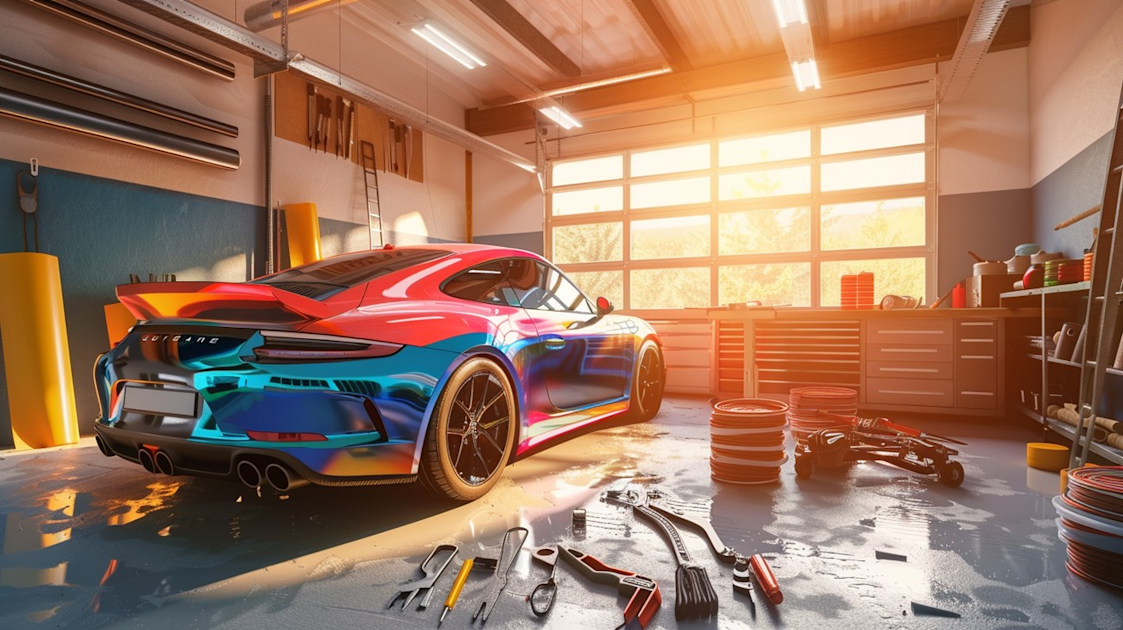


When it comes to personalizing your vehicle or protecting its paint, car wrapping has become a popular choice. But how much does it really cost to wrap a car? In this comprehensive guide, we'll delve into the details surrounding the expenses, what factors affect the price, and why car wrapping is an investment worth considering. Whether you're aiming for a new look or branding a business vehicle, understanding the costs involved is essential.
What is Car Wrapping?
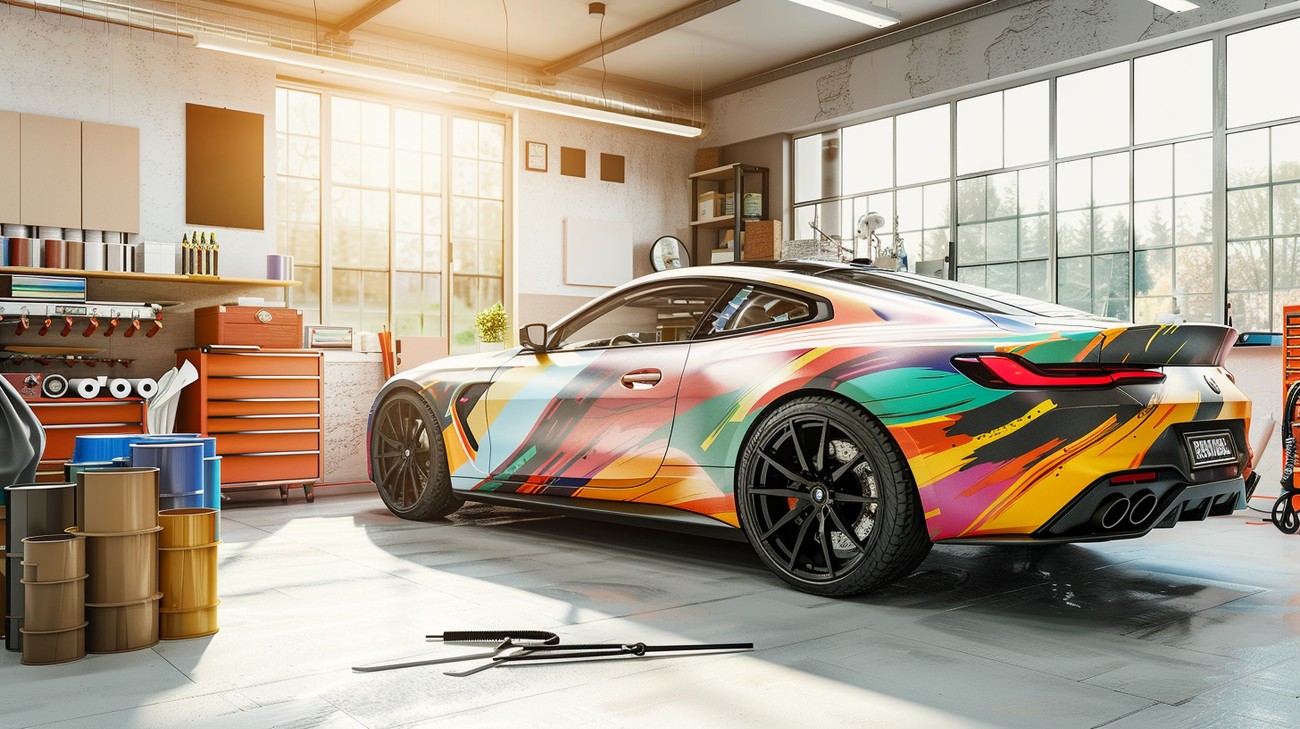
Car wrapping involves covering a car's original paint with a vinyl film. This technique is used not only for aesthetic purposes but also as a protective measure against scratches and UV damage. Wraps come in a variety of colors and finishes, such as matte, gloss, satin, and metallic, offering nearly endless customization possibilities.
Factors Influencing Cost
Several factors determine the cost of wrapping a car:
- Size of the Vehicle: Larger vehicles require more material and time, increasing costs.
- Type and Quality of Vinyl: Premium vinyls are more expensive but last longer and look better.
- Complexity of the Design: Custom designs or intricate graphics require skilled labor.
- Geographic Location: Prices can vary depending on local market rates for labor.
Typical Costs by Vehicle Size
Understanding typical price ranges for different vehicle sizes can help set realistic expectations:
- Small Cars and Coupes: $1,500 to $2,500
- Mid-Size Sedans and SUVs: $2,500 to $3,500
- Large SUVs, Trucks, and Vans: $3,500 to $5,000
Each of these price ranges reflect standard full-wrap designs with high-quality vinyl. If you opt for specialty wraps or custom designs, the costs can increase accordingly.
Standard vs. Custom Wraps
Standard Wraps
Standard wraps involve solid colors with or without simple finish types such as matte or gloss. They typically fall on the lower end of the cost spectrum and can be a quick way to change the look of your vehicle.
Benefits of Standard Wraps:
- Cost-effective solution
- Quick installation process
- Choice of several colors and finishes
Custom Wraps
Custom wraps, which can include graphics, logos, or unique finishes like chrome, are more expensive due to the personalized design work involved.
Benefits of Custom Wraps:
- Unique design tailored to your preferences
- High-impact visual appeal for branding
- Potential to increase vehicle value with exceptional designs
Maintenance and Longevity
The longevity of a car wrap depends on the quality of the vinyl and how well it is maintained. High-quality wraps can last anywhere from 5 to 7 years if properly cared for.
Maintenance Tips:
- Wash your car using soft cloths and avoid pressure washing.
- Park in shaded areas or garages to reduce sun exposure.
- Inspect regularly for damage to make prompt repairs.
Additional Costs to Consider
Beyond the wrap itself, there are additional costs to keep in mind:
- Surface Preparation: Vehicles need to be clean and free of debris. Any pre-existing paint damage may require additional work before wrapping.
- Removal: If you plan to remove the wrap, there could be labor costs involved.
- Optional Coatings: Protective coatings applied over the wrap can prolong its life and enhance appearance.
FAQ: Understanding the Cost to Wrap a Car
What factors affect the cost to wrap a car?
The cost to wrap a car can vary significantly based on several factors. One primary factor is the size and type of the vehicle. Wrapping a compact car generally costs less than wrapping an SUV or a larger vehicle. The complexity of the wrap design also plays a big role—intricate graphics or custom designs can increase the price. Additionally, the quality and type of vinyl used can impact costs. High-quality vinyl wraps like 3M or Avery tend to be more expensive but offer better durability and finish. Labor costs can also vary depending on the professional expertise and geographic location.
How does the design choice influence the price of wrapping a car?
Design choice can have a substantial impact on the price when wrapping a car. A simple color change is typically cheaper than a custom design featuring graphics or logos. Custom designs require more time and material, hence driving up costs. Furthermore, complex designs may involve multiple layers of wrapping, which adds to the installation time and intricacy. This results in higher labor charges, contributing to the overall cost. If you choose to incorporate specialty finishes such as matte, satin, or gloss, this will also affect the price.
Are there cost differences between partial and full car wraps?
Yes, there is a significant cost difference between partial and full car wraps. A full car wrap covers the entire vehicle, which naturally requires more material and labor, leading to higher costs. In contrast, a partial wrap might only cover certain sections of the car, like the hood, roof, or doors. Since partial wraps require less vinyl and time to install, they are generally much more affordable. Partial wraps can be a cost-effective way to achieve a new look without committing to a full wrap.
Can the color and finish of the wrap affect the overall price?
Absolutely, the color and finish of the wrap can impact the total cost of wrapping a car. Standard colors in a glossy finish are typically more affordable, while specialty finishes like matte, satin, chrome, or carbon fiber can cost significantly more. These specialty finishes require additional craftsmanship and high-quality materials, which raises the price. Additionally, choosing unique colors or custom color mixes can also add to the expense.
How does the condition of my car impact the wrapping cost?
The condition of your car can directly affect the cost to wrap it. If your vehicle has dents, rust, or peeling paint, preparing these surfaces is crucial before application. Wraps adhere best to smooth, clean surfaces, so any existing damage should be repaired to ensure a quality finish and longevity of the wrap. The need for surface preparation can add additional expenses to the overall cost. Investing in preliminary repairs may be essential to achieve a seamless wrap application.
Is it more cost-effective to wrap or repaint a car?
When considering whether to wrap or repaint a car, wraps often emerge as the more cost-effective option, especially for those seeking a temporary change. A high-quality paint job can be more expensive than a car wrap, particularly if you are opting for custom paint colors or finishes. Additionally, wraps provide the flexibility to change your vehicle's appearance without permanent alterations. However, if your vehicle is in need of body repairs or if you prefer a long-term solution, repainting might be more suitable.
How does the choice of installer affect the pricing of a car wrap?
The choice of installer is crucial in determining the cost of wrapping your car. Experienced and reputable installers may charge higher prices, but their work often reflects quality craftsmanship and guarantee on the service. Skilled installers can ensure that the wrap is applied smoothly, without bubbles or wrinkles, which can significantly impact the look and durability of the wrap. In contrast, opting for a less experienced installer might reduce upfront costs but can lead to unsatisfactory results, potentially necessitating rework or repairs.
Are there ways to reduce the cost of wrapping a car?
Indeed, there are several strategies to reduce the cost of wrapping a car. Opting for simple, single-color wraps can lower expenses compared to complex designs. You might also consider a partial wrap, which can give your car a new look without the full price of a complete wrap. Additionally, doing thorough research to find installers who offer competitive pricing and asking about any promotions or discounts can help. Preparing the car yourself by cleaning and ensuring it's free of debris may also save on prep work costs.
Does the location of the wrap installation affect the cost?
Yes, the geographic location of where you get your car wrapped can influence the overall price. Installation costs vary by region, with urban areas typically charging more due to higher overhead costs and demand for services. Areas with fewer specialized wrap professionals may also have higher prices due to limited competition. Therefore, shopping around and getting quotes from multiple installers in and out of your immediate area can potentially help you find better pricing options.
Cost Breakdown
Typical Price Ranges
Generally, wrapping a car can cost anywhere from $2,000 to $6,000. For a smaller vehicle or partial wrap, costs might dip down to $500-$1,500. On the other hand, for larger vehicles or more complex designs, prices can skyrocket to $10,000 or more. These numbers are broad-strokes figures; actual costs will hinge on various influencing elements.
Factors That Affect Cost
Size of the Vehicle: Larger vehicles like SUVs or trucks will naturally use more material and require more labor, leading to higher costs compared to compact cars.
Type of Vinyl: Standard vinyl wrap is often cheaper, whereas high-quality options like chrome or metallic finishes can significantly increase expenses.
Complexity of the Design: Customized designs, particularly those that require intricate detailing, increase the number of hours needed for installation, thereby pushing up costs.
Condition of the Car: If your car's paint is chipped or needs extensive preparation, expect to pay more. A smooth surface is crucial for a successful wrap.
Location: Prices can vary by region. Urban areas with a high cost of living might see prices on the higher end of the spectrum compared to more rural locales.
Installer's Expertise: An experienced installer with positive reviews might charge more, but the quality and longevity of the wrap often make this worth the extra cost.
Cost Comparison: Budget vs Premium Options
Budget Options: If you're aiming to keep costs low, opt for a standard matte or gloss vinyl wrap. Costs will be in the neighborhood of $500-$3,000, depending on the vehicle's size. Keep in mind, these options might not last as long or provide the best finish.
Premium Options: High-end wraps, such as those with custom graphics or specialty finishes like satin or carbon fiber, can cost between $4,000 and $10,000 or more. They're typically more durable and offer a unique visual impact.
Hidden Costs to Consider
Wrap Removal: Removing a wrap can be labor-intensive, costing anywhere from $500 to $1,500, depending on the size of the vehicle and type of wrap.
Repairs: Any body imperfections need to be addressed beforehand or they might become glaringly evident once the wrap is applied.
Maintenance: Special cleaning solutions or detailing may be necessary to maintain the wrap's appearance, adding to your overall expense.
Shorter Lifespan: If you opt for a cheaper wrap, you might find it's more susceptible to peeling or fading within 3 to 5 years, leading to earlier replacement costs.
Ways to Save Money
With these insights, you're well-equipped to navigate the world of car wraps, whether you're freshening up your vehicle's look or making a bold statement.
Final Thoughts
Understanding the cost to wrap a car is essential for making an informed decision that fits your budget and needs. Factors like the quality of materials, design complexity, and even the local market can influence the overall price. By putting this information together, you can better appreciate the investment a car wrap represents, particularly if you're looking to enhance your vehicle's appearance and protect its paint.
If you're in Roseville, CA, we invite you to reach out to us at A+ Window Tinting to discuss your specific car wrapping requirements. Whether you're curious about potential designs or would like a free estimate, our team is here to provide the expertise and personalized service you need. Let’s work together to give your car the transformation it deserves!


