
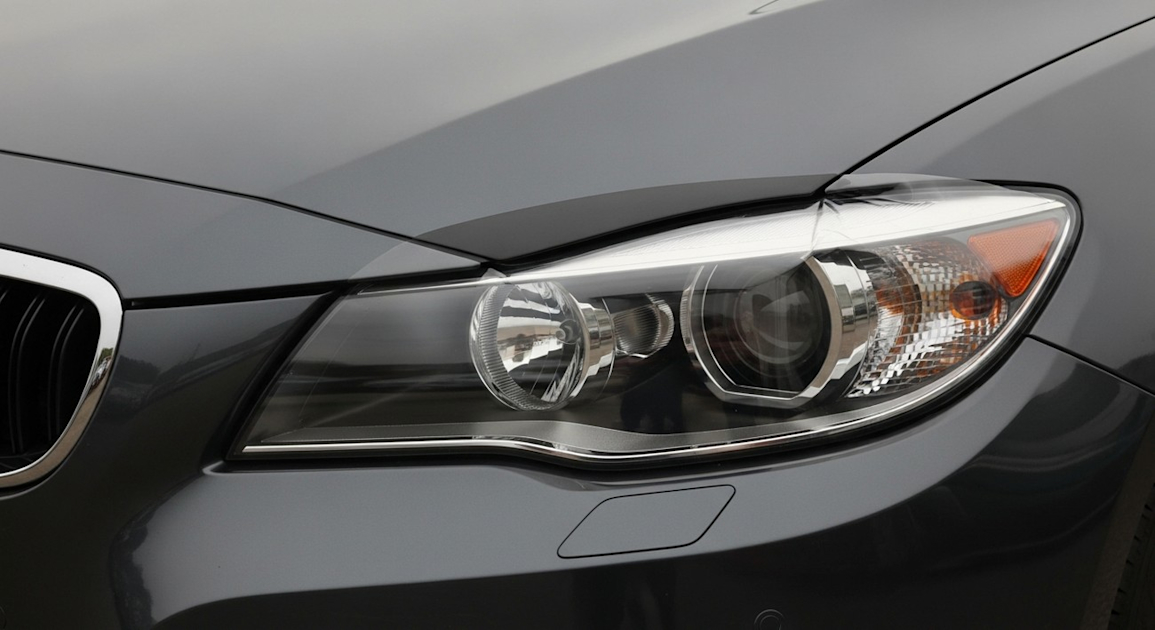


Headlight tinting has become a popular way for car enthusiasts to add a personal touch to their vehicles while potentially improving performance. This comprehensive guide will delve into everything you need to know about headlight tinting, from the benefits and types to installation techniques and legal considerations. Read on to discover how you can enhance your car's aesthetic and functionality with headlight tinting.
What is Headlight Tinting?
Headlight tinting involves applying a thin film or a layer of spray over your headlights to alter their appearance and functionality. This customization option allows car owners to match their headlights with the overall color scheme of their vehicle or to achieve a more aggressive look. It can also provide a protective layer against scratches and UV rays.
Why Tint Your Headlights?
Tinting your headlights isn't just about looks. It also provides a range of benefits:
- Aesthetic Appeal: Tinting can give your vehicle a sleek and customized look, making it stand out on the road.
- Protection: Tints can shield your headlights from debris, UV damage, and scratches, prolonging their lifespan.
- Improved Visibility: Some tinting options enhance visibility by reducing glare and improving focus, particularly in foggy or bright conditions.
Different Types of Headlight Tints
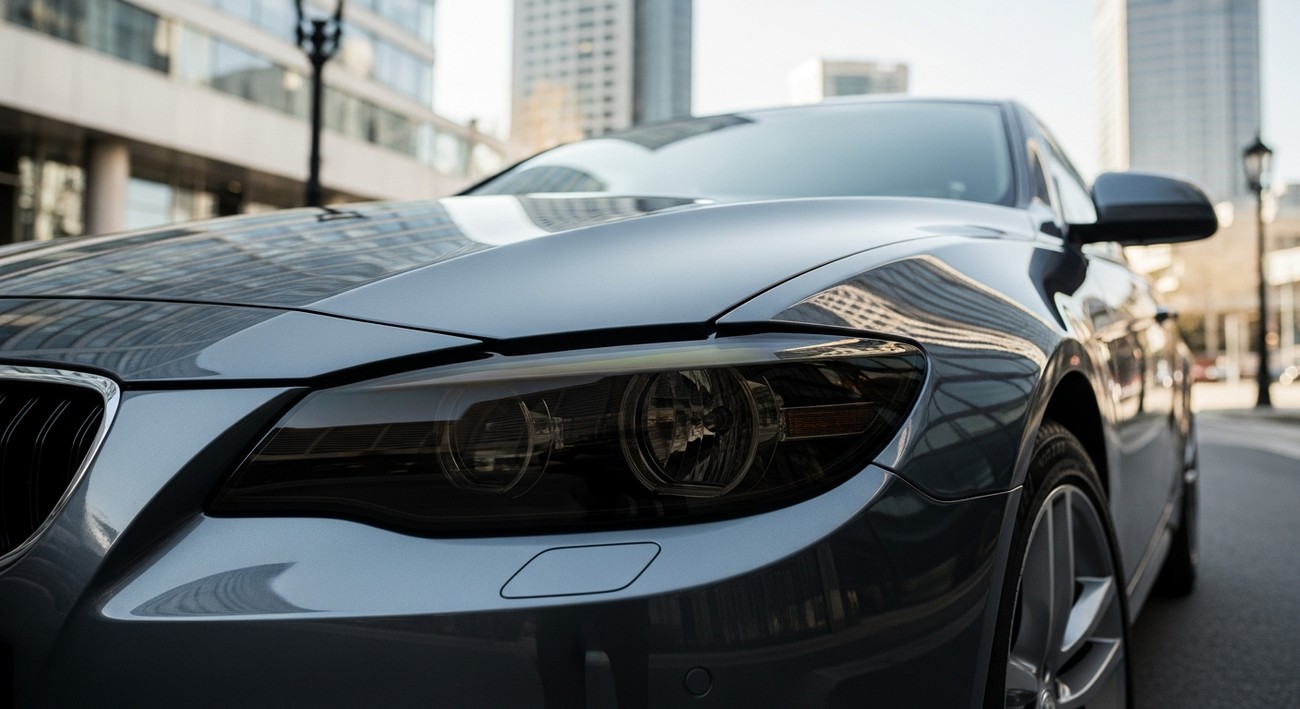
Various types of headlight tints are available, offering different levels of opacity, colors, and materials. Your choice will depend on your aesthetic preferences, functionality needs, and legal regulations.
Film Tinting
Film tinting involves applying a pre-cut vinyl film over the headlight. Films are available in a wide range of colors and finishes, from matte to glossy, allowing for easy customization. They are also relatively easy to install and remove, making them a popular choice for car owners who like to update their vehicle's look regularly.
Spray Tinting
Spray tinting uses a specialized spray that adds a layer of tint directly onto the surface of the headlight. It's a more permanent option than film and can provide a smooth finish. However, it requires careful application to avoid streaks or drips and might need professional handling.
Smoke Tinting
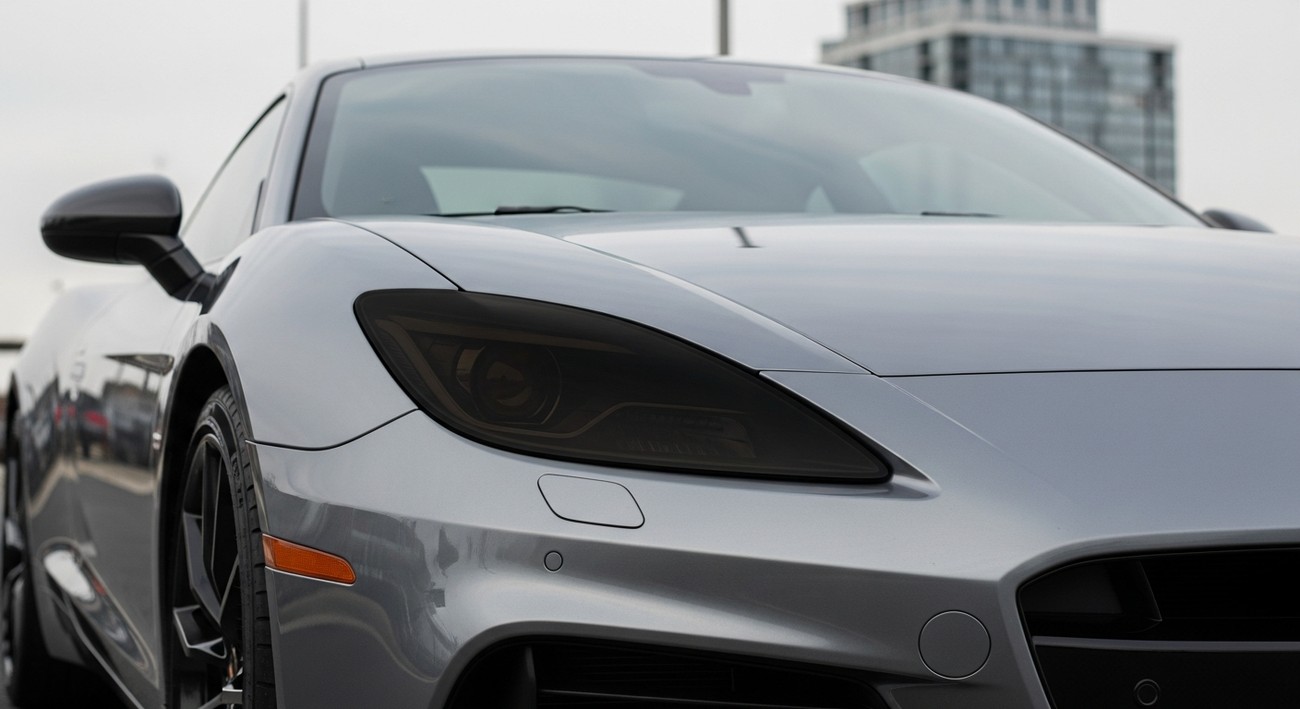
Smoke tinting generally involves darker shades and is excellent for those seeking a bold look. However, it's crucial to ensure that the opacity does not hinder the headlight's performance, which can be unsafe and illegal.
Legal Considerations
Legal regulations concerning headlight tinting can vary significantly by location. Before proceeding, it's essential to check the local laws to ensure compliance. In many areas, the level of tint darkening is strictly regulated due to safety considerations. Violation of these laws can lead to penalties or fines.
Checklist for Legal Compliance:
- Research local laws regarding visibility requirements.
- Ensure tint does not significantly reduce light output.
- If unsure, consult local automotive professionals or law enforcement.
How to Install Headlight Tints
Installing headlight tints can be a rewarding DIY project, but it requires attention to detail and patience. Here’s a step-by-step guide to help you.
Materials Needed:
- Pre-cut tint film or spray
- Squeegee
- Soap and water solution
- Microfiber cloth
- Utility knife or precision cutter
- Heat gun or hairdryer (for film)
Installation Steps:
Clean the Headlights: Use a soap and water solution to thoroughly clean the surface of the headlights. This ensures that no dirt or residue will affect the tint application.
Prepare the Tint: If using film, cut it to the size of the headlights if not pre-cut. For spray, ensure you have a controlled environment to avoid overspray.
Apply the Tint:
- For film, peel the backing and place it evenly on the headlight. Use a squeegee to smooth out any bubbles.
- For spray, apply even layers, ensuring coverage and uniformity.
Use a Heat Gun (if applying film): Gently heat the film to allow it to stretch and conform to the curves of the headlight.
Trim Excess Film: Use a utility knife to carefully trim away any excess film, ensuring a perfect fit.
Cure the Tint: Allow sufficient time for the tint to cure properly; this varies depending on whether you used film or spray.
Caring for Your Tinted Headlights
Proper maintenance will extend the life of your headlight tints and keep them looking fresh and vibrant:
- Regular Cleaning: Clean your tinted headlights with mild soap and water. Avoid abrasive materials or chemicals that could damage the tint.
- Avoid High Pressure: If using a pressure washer, keep a reasonable distance to prevent the tint from peeling or chipping.
- Protect from Direct Sunlight: Whenever possible, park your vehicle in shaded areas to prolong the life of the tint.
Common Mistakes to Avoid
Avoid these common pitfalls to ensure a successful tinting job:
- Skipping Legal Checks: Ensure your tint is within legal limits to prevent fines.
- Poor Installation Conditions: Apply tints in a dust-free, well-ventilated environment.
- Rushing the Process: Take your time for precise application and curing.
Headlight Tinting FAQ
How does headlight tinting affect visibility?
Headlight tinting can significantly reduce the brightness and clarity of your headlights. This reduction can compromise nighttime visibility, making it harder to see obstacles and road signs. The level of impact on visibility depends on the darkness of the tint you choose. Lighter shades of tint might have a minimal effect, while darker shades may drastically limit the light output of your headlights. It's essential to balance aesthetic desires with practical safety considerations when opting for headlight tints.
Is headlight tinting legal in all areas?
Legality surrounding headlight tinting varies greatly by region. While some areas may allow light tints, others could have strict regulations prohibiting any modification to headlights that could obscure their original output. It’s crucial to check the local laws and regulations regarding headlight tinting in your area to avoid potential fines or legal issues. Before proceeding with headlight tinting, ensure compliance with both state and local regulations.
Can headlight tinting protect against UV damage?
Yes, one of the potential benefits of headlight tinting is its ability to protect headlights from UV damage. Over time, UV rays can cause headlights to become yellow and cloudy, diminishing their effectiveness. Headlight tints can act as a protective barrier against UV rays, preserving the clarity and longevity of your headlights. When considering a headlight tint, ask about UV protection qualities to maximize this benefit.
Will headlight tinting affect the resale value of my car?
Headlight tinting could potentially affect the resale value of your car, depending on the preferences and perceptions of potential buyers. Some may appreciate the aesthetic appeal of tinted headlights, while others might view them as a downside due to possible visibility issues or legal concerns. It's wise to consider whether headlight tinting will enhance or detract from your vehicle's value from a market perspective, especially if you plan to sell in the near future.
How is headlight tinting applied?
Headlight tinting is typically applied using a film that is cut to fit the shape of your headlights. The surface of the headlights is first cleaned thoroughly to ensure the tint adheres properly. The film is then carefully applied and smoothed out to prevent any bubbles or creases. Proper installation can be a detailed process, often best handled by professionals to ensure a perfect fit and finish. DIY kits are available, but these require precision and patience.
Can headlight tinting be removed easily?
Yes, headlight tinting can generally be removed, but the ease of removal depends on how long the tint has been applied and the quality of the film. Over time, the adhesive can become more stubborn, making it a bit more challenging to remove. Typically, heat is applied to soften the tint, allowing it to peel away from the surface of the headlights. After removal, any remaining adhesive can be cleaned off with the right solvent. Professional help may ensure a cleaner removal, especially if the tint has been on for an extended period.
Does headlight tinting require regular maintenance?
Headlight tinting requires some maintenance to ensure it remains in good condition. Regular cleaning is necessary to avoid a build-up of dirt and grime on the surface, which can dull the appearance of the tint. Use mild soap and water to clean the headlights, and avoid abrasive cleaners or harsh chemicals that could damage the tint. Additionally, inspecting the tint regularly for any bubbles, peeling, or edge lifting will help maintain its appearance and effectiveness.
Can I tint my own headlights without professional help?
While it's possible to tint your own headlights using DIY kits available in the market, doing so successfully requires care and precision. The process involves cleaning the headlight thoroughly, applying the tint film smoothly without bubbles, and trimming to fit precisely. If you're confident in your ability to manage these tasks and have a steady hand, it can be a cost-effective project. However, for those unfamiliar with the process, enlisting professional help can ensure a flawless application and save time and potential frustration.
Is there a difference between headlight tint film and spray?
Yes, there are notable differences between headlight tint film and spray. Tint film provides a more uniform, controlled application and can be removed if needed, offering more flexibility. In contrast, spray-on tint is applied directly to the headlights like paint, providing a permanent or semi-permanent finish, which can be challenging to remove or adjust. Choosing between the two often depends on personal preference, desired permanence, and the look you're aiming to achieve.
Does headlight tinting impact my car insurance?
Headlight tinting could potentially impact your car insurance, especially if the tint affects vehicle safety or is not compliant with local laws. Some insurance policies might be voided or altered if they view headlight tinting as a modification that increases risk or violates legal standards. It is advisable to consult with your insurance provider before tinting to understand any implications on your coverage or premiums.
Cost Breakdown
Typical Price Ranges
Let's dive right into how much you might spend on headlight tinting. Generally, you can expect to pay anywhere from $50 to $200 per pair of headlights. The variation in pricing primarily depends on the material choice, the car model, and where you decide to get the job done. If you're aiming for a standard tint film, the lower end of the spectrum will suffice. However, if you opt for higher-quality film or specialized tints, prices can push toward the higher end.
Factors That Affect Cost
The main factors that affect the price of headlight tinting include:
Material Quality: Budget films can cost as little as $20-$30, while high-end options, like premium vinyl films, can range from $70 to $100 for just the materials.
Type of Vehicle: The size and shape of your car's headlights play a major role. Larger or uniquely shaped headlights will require more film and more intricate work, increasing both material and labor costs.
Labor Costs: Are you going DIY or hiring a pro? Professional installation typically costs about $75-$150. If you’re doing it yourself, you might save on labor but should consider the cost of buying tools if you don’t own them already.
Complexity of the Job: Some headlights are easier to tint than others. Complicated contours or difficult-to-reach areas might require more time or specific expertise, nudging the price upward.
Geographic Location: Prices can vary based on where you live. In big cities or affluent areas, you might find prices a notch higher compared to smaller towns.
Cost Comparison: Budget vs Premium Options
With budget options, you’ll be looking at cheaper materials and possibly a DIY job. For instance, a DIY kit available online might only set you back around $30. These kits generally come with basic-quality films and rudimentary tools. While budget-friendly, they can be tricky to apply without experience and might not last as long.
On the flip side, premium options involve hiring a professional installer and using high-grade materials. A full-service job with top-notch film can run from $150 to $200 per pair. The costlier investment could mean better durability, aesthetic finish, and added UV protection.
Hidden Costs to Consider
When budgeting for headlight tinting, keep these hidden costs in mind:
Tools and Supplies: If you're going the DIY route, don't forget you'll need application tools, cleaning products, and potentially a heat gun, adding $20-$50 to your total cost.
Removal Costs: Looking to replace or remove existing tint? Professional removal services can range from $30 to $90.
Legal Compliance: Ensure your tint complies with local regulations. Non-compliance can lead to fines and the added hassle of removal and re-tinting.
Ways to Save Money
Saving money on headlight tinting is all about smart choices:
Final Thoughts
When considering headlight tinting, it’s essential to weigh both style and safety. Tinted headlights can enhance the look of your vehicle while also providing some level of protection against scratches and road debris. However, we always recommend ensuring that the tint complies with local regulations to keep you safe and sound on the roads of Roseville, CA.
If you're curious about how a tint can benefit your vehicle, we invite you to reach out to us at A+ Window Tinting. Our team of experts is here to answer your questions and help you determine the best options for your needs. Give us a call or schedule a consultation today, and let’s give your vehicle the upgrade it deserves!


